
Endodontic disease can significantly diminish quality of life and is often associated with considerable morbidity. Radiographic imaging plays a critical role in accurately diagnosing both odontogenic and non-odontogenic conditions, guiding root canal treatment in compromised teeth, supporting biomechanical instrumentation, evaluating the adequacy of canal obturation, and monitoring the progression of healing.
Our Technology:

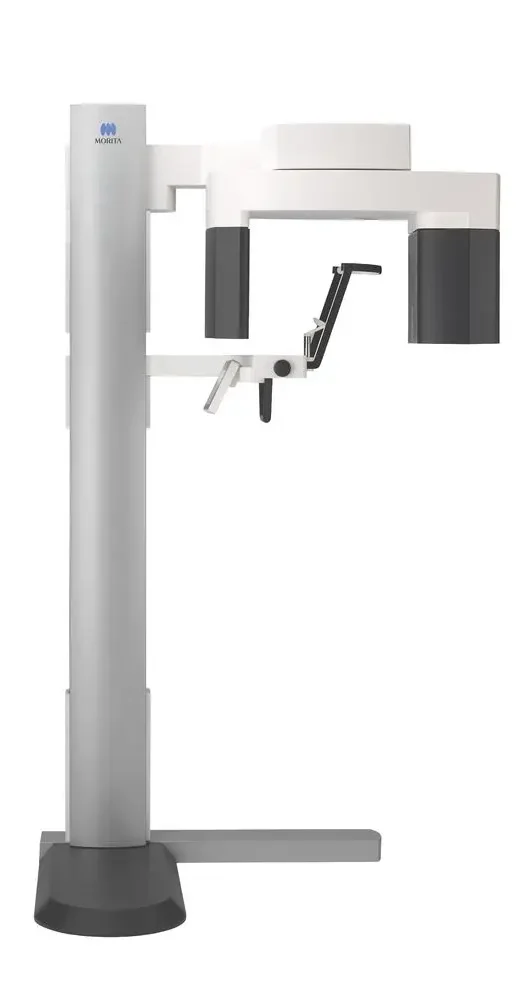
Cone Beam Computed Tomography (CBCT)
What is CBCT?
Cone Beam Computed Tomography (CBCT) is an advanced 3D imaging technology that provides highly detailed views of the teeth, jaws, bone, and surrounding structures. Unlike traditional 2D X-rays, CBCT scans capture three-dimensional images, allowing dentists to examine areas with exceptional precision and clarity.
Why is CBCT Important?
CBCT is a valuable diagnostic tool that enhances treatment planning and accuracy. It allows dentists to see anatomical details that are not visible on standard X-rays, making it especially useful in complex cases.
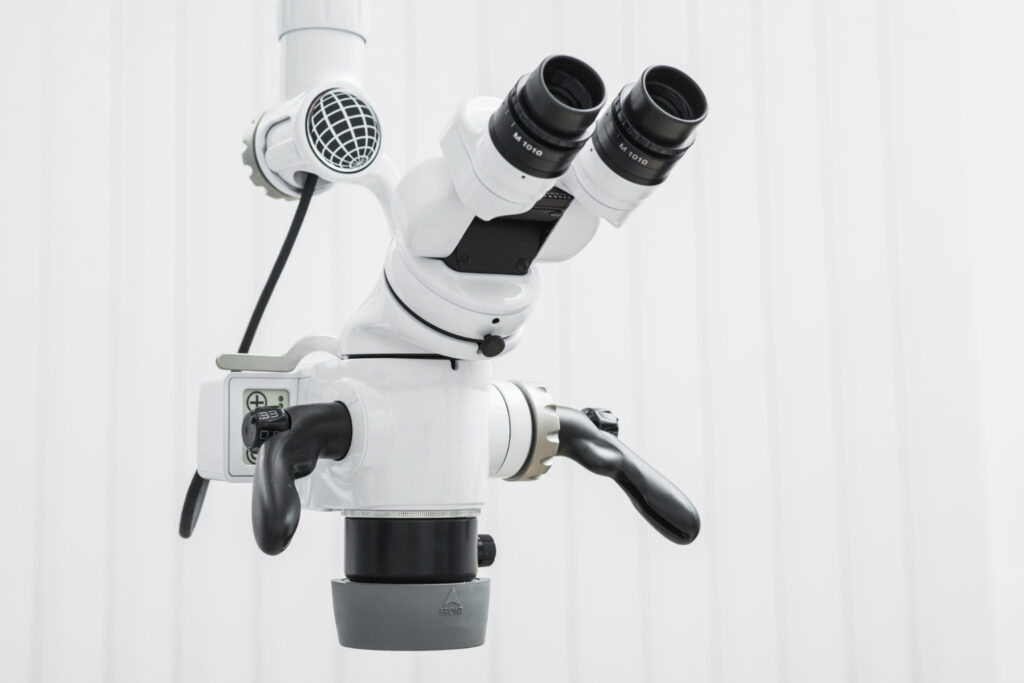
Microscopes in Endodontics
The dental operating microscope significantly improves a clinician’s ability to visualize the intricate structures within a tooth. With magnification up to 25 times greater than the naked eye, this advanced tool enhances both diagnosis and endodontic treatment. Studies show that procedures performed with magnification achieve more predictable and successful outcomes compared to those done without.
Key Benefits of Using Microscopes in Endodontics:
-
Detecting hidden and accessory canals
-
Locating and safely removing separated instruments
-
Preserving more of the natural tooth structure
-
Enhancing ergonomics and precision for the clinician
More on Microscope: click here
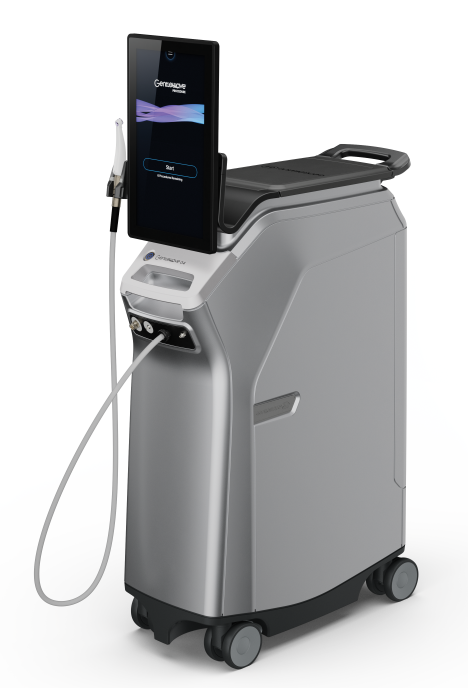
GentleWave®
The GentleWave® Procedure is an advanced endodontic treatment designed to enhance root canal therapy. Using multisonic sound waves and fluid dynamics, this system delivers irrigating solutions throughout the complex anatomy of the root canal system, including areas that are difficult to reach with traditional instruments. The technique allows for thorough cleaning and disinfection while preserving more of the natural tooth structure, and it is often completed in a single appointment.
Delta Root Canal is dedicated to providing comprehensive endodontic care focused on preserving natural teeth, relieving pain, and restoring oral health with advanced technology and compassionate treatment. Root canal therapy and related procedures are designed to address infection, inflammation, injury, and structural concerns within the tooth to prevent the need for extraction and support long term dental function. Every patient receives personalized evaluation using modern diagnostic tools, and treatment plans are tailored to individual needs to ensure comfort and successful outcomes. Our team emphasizes the importance of proper post treatment care, including appropriate follow up with restorations such as crowns when necessary, to enhance strength and protect the treated tooth.
We also provide educational resources and guidance on maintaining oral health to help patients prevent future issues and optimize overall dental wellness. Whether you are exploring your first visit, researching treatment options, or seeking information about insurance or financial arrangements, we strive to make every part of your experience clear and supportive. Our practice combines clinical expertise with attentive patient communication to help you feel confident and informed about your care.
- What is endodontic treatment and when is it needed?
Endodontic treatment focuses on the inside of the tooth, including the pulp and root canals. It is commonly needed when the pulp becomes inflamed or infected due to deep decay, cracks, trauma, or repeated dental procedures. Treating the tooth at this stage helps relieve discomfort and preserve the natural tooth structure.
- Is a root canal painful?
Modern root canal treatment is designed to be comfortable and efficient. With current techniques and anesthesia, most patients report that the procedure feels similar to receiving a standard filling. The goal of treatment is to eliminate pain caused by infection, not to create it.
- How long does a treated tooth last?
A tooth that has received proper endodontic treatment and is restored appropriately can last many years. Long term success depends on factors such as oral hygiene, regular dental visits, and completing any recommended restorative work after treatment.
- Do I need a referral to see an endodontic specialist?
In many cases, patients are referred by their general dentist, but referrals are not always required. If you are experiencing tooth pain or have been advised that you may need specialized care, you can contact the practice directly to discuss your situation and next steps.