A dental emergency treatment is any oral health issue that requires immediate professional attention to relieve pain, stop infection, or prevent permanent damage to a tooth or surrounding tissue. Unlike minor dental concerns that can wait for a routine appointment, emergencies often involve intense discomfort, rapid changes in symptoms, or signs of infection that can worsen quickly without treatment. Recognizing what qualifies as a dental emergency is the first step toward protecting your oral health and avoiding more serious complications. Read More
Common symptoms that indicate urgent care is needed include severe or persistent tooth pain, swelling of the gums or face, sensitivity that does not subside, and trauma to the teeth or jaw. These symptoms often signal deeper problems beneath the surface of the tooth, where nerves and blood vessels are located. When ignored, these issues rarely resolve on their own and typically become more painful and complex over time.
Dental Emergency Treatment | Signs You Should Never Ignore
One of the most alarming signs of a dental emergency treatment is severe tooth pain that interferes with daily activities or sleep. This type of pain is often caused by inflammation or infection inside the tooth and should be evaluated as soon as possible. Swelling or visible signs of infection, such as redness, tenderness, or facial puffiness, are also serious warnings. These symptoms may indicate an abscess, which can spread beyond the tooth if left untreated.
Sensitivity to heat or pressure is another important indicator, especially when it lingers after the stimulus is removed. This can mean the tooth’s pulp is damaged or infected. Trauma, such as a cracked or fractured tooth caused by an accident or injury, also requires prompt attention. Even if pain is minimal at first, internal damage can lead to delayed symptoms and infection if not treated quickly.
Common Causes of Dental Emergencies
Why sudden tooth pain happens
Dental emergencies treatment often develop when underlying issues progress unnoticed or untreated. While some emergencies occur suddenly due to trauma, many are the result of gradual damage that eventually reaches a critical point.
Deep Tooth Infections
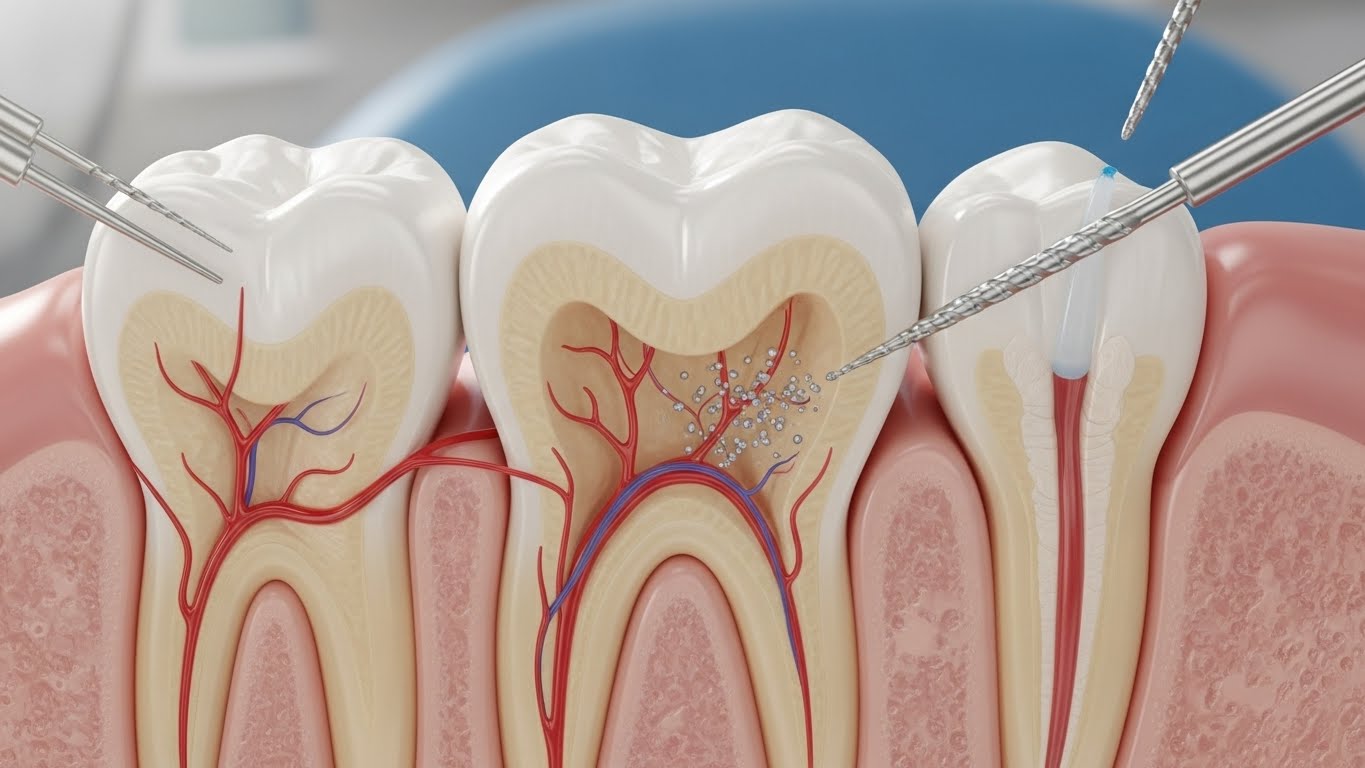
One of the most common causes of dental emergencies is a deep tooth infection. This occurs when bacteria penetrate the enamel and dentin layers of the tooth and reach the pulp. Once inside, bacteria can multiply rapidly, causing inflammation, pressure, and intense pain. Because the pulp is enclosed within the hard tooth structure, swelling has nowhere to escape, which is why infections escalate so quickly and become extremely uncomfortable.
Cracked or Fractured Teeth
Cracked or fractured teeth can result from physical trauma, teeth grinding, or weakened enamel due to decay. Even small cracks can allow bacteria to enter the tooth, leading to infection over time. In some cases, damage may not be immediately visible, but internal structures can still be compromised, eventually resulting in pain or swelling that requires emergency care.
Failed or Previous Root Canal Treatments
Teeth that have already undergone root canal treatment are not immune to future problems. Over time, old restorations can wear down, new decay can form, or bacteria can re-enter the tooth through microscopic openings. When this happens, the tooth may become reinfected and painful again. In these cases, root canal retreatment may be necessary to remove the infection and restore the tooth’s health.
Emergency Root Canal Treatment Explained
Saving your natural tooth
Emergency root canal treatment is designed to address severe pain and infection while preserving the natural tooth whenever possible. Unlike routine root canal care, emergency treatment focuses on immediate relief and stabilization of the tooth.
Dental Emergency Treatment | What Is an Emergency Root Canal?
An emergency root canal removes infected or inflamed pulp from inside the tooth, cleans and disinfects the root canal system, and seals it to prevent reinfection. The primary goal is to eliminate pain and stop the spread of infection while maintaining the structure of the tooth. Compared to routine root canal treatment, emergency care is often performed when symptoms are acute and require prompt intervention.
Dental Emergency Treatment | What Happens During Treatment
The process begins with a thorough diagnosis using digital imaging and clinical examination to identify the source of pain and the extent of infection. Once the problem is confirmed, anesthesia is administered to ensure comfort. Infected tissue is then removed, and the inside of the tooth is carefully cleaned.
Depending on the severity of the infection, the tooth may receive a temporary restoration initially, followed by a permanent crown at a later visit. This approach allows the dentist to control the infection quickly while planning for long-term protection of the tooth.
Advanced Technology for Dental Emergencies
Faster, cleaner, and more comfortable care
Modern dental technology has significantly improved how emergencies are treated, making procedures more effective and comfortable for patients.
GentleWave Technology
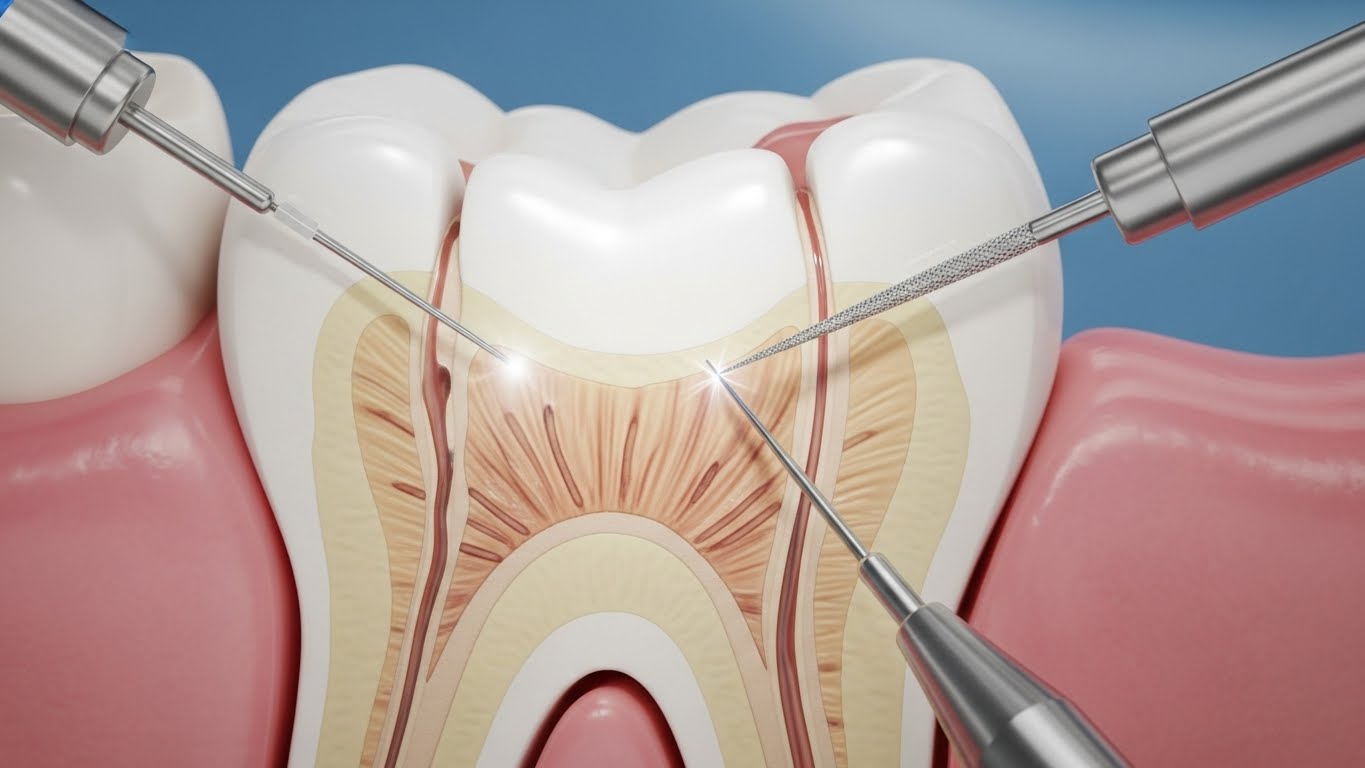
GentleWave is an advanced system used during root canal treatment to clean and disinfect the complex root canal system more thoroughly than traditional methods. It uses fluid dynamics and acoustic energy to reach areas of the tooth that standard instruments may not be able to access. This makes it particularly beneficial for emergency cases, where infection is often extensive and difficult to eliminate completely.
The GentleWave Procedure
During the GentleWave procedure, specialized fluids are circulated throughout the tooth using sound waves that help loosen and remove bacteria and debris. This enhanced cleaning process reaches microscopic spaces within the root canal system, reducing the risk of residual infection and improving long-term outcomes.
Why GentleWave Improves Emergency Outcomes
By providing deeper cleaning, GentleWave can reduce the need for multiple appointments and increase the success rate of treatment. Patients often experience improved comfort, faster healing, and a lower likelihood of needing additional procedures in the future.
Painless Endodontics – Is dental emergency treatment Comfortable?
Eliminating fear and anxiety
Fear of pain is one of the biggest concerns patients have during a dental emergency. Fortunately, painless endodontics has transformed the experience of emergency root canal treatment.
Modern Pain Management Techniques
Advancements in local anesthesia and gentle instrumentation allow dentists to control pain effectively during dental emergency treatment. Emergency root canals are typically no more uncomfortable than a standard filling, and many patients feel immediate relief once the infected tissue is removed.
How Painless Endodontics Improves Patient Experience
By minimizing discomfort during and after treatment, painless endodontics reduces anxiety and helps patients recover more quickly. Most people experience only mild soreness afterward, which can be managed with simple aftercare and resolves within a few days.
When Root Canal Retreatment Is the Best Option
Addressing persistent or recurring infection
Sometimes, a previously treated tooth becomes problematic again. This can happen if bacteria remain in hidden canals or if new decay allows reinfection.
Why Root Canal Treatments Can Fail
Root canal treatments may fail due to complex anatomy, undetected canals, or breakdown of old restorations. Reinfection can occur months or even years later, causing symptoms similar to the original emergency.
How Retreatment Resolves Ongoing Dental Emergencies
Retreatment involves removing old filling materials, thoroughly cleaning the canals again, and sealing the tooth. Advanced technology, including GentleWave, enhances the effectiveness of retreatment by reaching areas that were previously inaccessible.
What to Do Before You Reach a dental emergency treatment
Immediate steps to protect your tooth
While waiting for professional care, patients can manage symptoms by taking over-the-counter pain relievers, rinsing gently with warm salt water, and avoiding chewing on the affected side. It’s important to avoid applying home remedies or delaying treatment, as these approaches can worsen the problem and increase the risk of complications.
Preventing Future Dental Emergency treatment
Long-term oral health strategies
Preventing dental emergencies starts with routine dental exams and early intervention. Addressing decay before it reaches the pulp, protecting teeth from trauma, and maintaining good oral hygiene all play a role in reducing emergency situations. For teeth that have undergone root canal treatment, proper restoration and follow-up care are essential for long-term success.
FAQ
1. What is considered a dental emergency?
A dental emergency treatment is any oral health problem that requires immediate care to relieve pain, stop infection, or prevent permanent damage. This includes severe tooth pain, swelling, abscesses, cracked teeth, or trauma to the mouth or jaw.
2. How can I tell if my tooth pain is an emergency?
Tooth pain is considered a dental emergency treatment if it is severe, persistent, wakes you up at night, or is accompanied by swelling or sensitivity to heat or pressure. These symptoms often indicate infection or nerve damage that needs prompt treatment.
3. Can a dental infection go away on its own?
No, dental infections do not resolve on their own. Without professional treatment, the infection can spread to surrounding tissue, bone, or even other areas of the body, leading to more serious health risks.
4. What causes sudden, intense tooth pain?
Sudden tooth pain is often caused by deep decay, infection of the pulp, a cracked tooth, or trauma. These issues expose or inflame the nerve inside the tooth, resulting in sharp or throbbing pain.
5. When is an emergency root canal necessary?
An emergency root canal is necessary when the pulp inside the tooth becomes infected or inflamed, causing severe pain, swelling, or abscess formation. The procedure removes the infection and helps save the natural tooth.
6. Is emergency root canal treatment painful?
Emergency root canal treatment is generally not painful thanks to modern anesthesia and painless endodontic techniques. Most patients feel relief shortly after the infected tissue is removed.
7. What happens if I delay treatment during a dental emergency?
Delaying treatment can allow infection to spread, increase pain, and reduce the chances of saving the tooth. What starts as a manageable problem can quickly become more complex and costly to treat.
8. Why might a tooth need root canal retreatment?
Root canal retreatment may be needed if bacteria remain in hidden canals, new decay forms, or an old restoration fails. Symptoms often include returning pain, swelling, or sensitivity long after the initial treatment.
9. What should I do before seeing an emergency dentist?
Before your appointment, you can manage discomfort by taking over-the-counter pain medication, rinsing with warm salt water, and avoiding chewing on the affected side. Avoid home remedies or ignoring symptoms, as this can worsen the condition.
10. How can I reduce my risk of future dental emergencies?
Regular dental checkups, early treatment of decay, good oral hygiene, and protecting teeth from injury can greatly reduce the risk of dental emergencies. Proper care after root canal treatment is also essential for long-term tooth health.