A dental emergency can be one of the most stressful and painful health experiences a person faces. Sudden tooth pain, swelling, or trauma often comes without warning and can quickly disrupt daily life. Beyond the discomfort, many patients feel overwhelmed by uncertainty—unsure whether the problem is serious, what treatment is needed, or how quickly they must act. The understanding of how dental emergencies are treated and how modern endodontic care has evolved, can help patients make confident, timely decisions that protect both their comfort and long-term oral health.
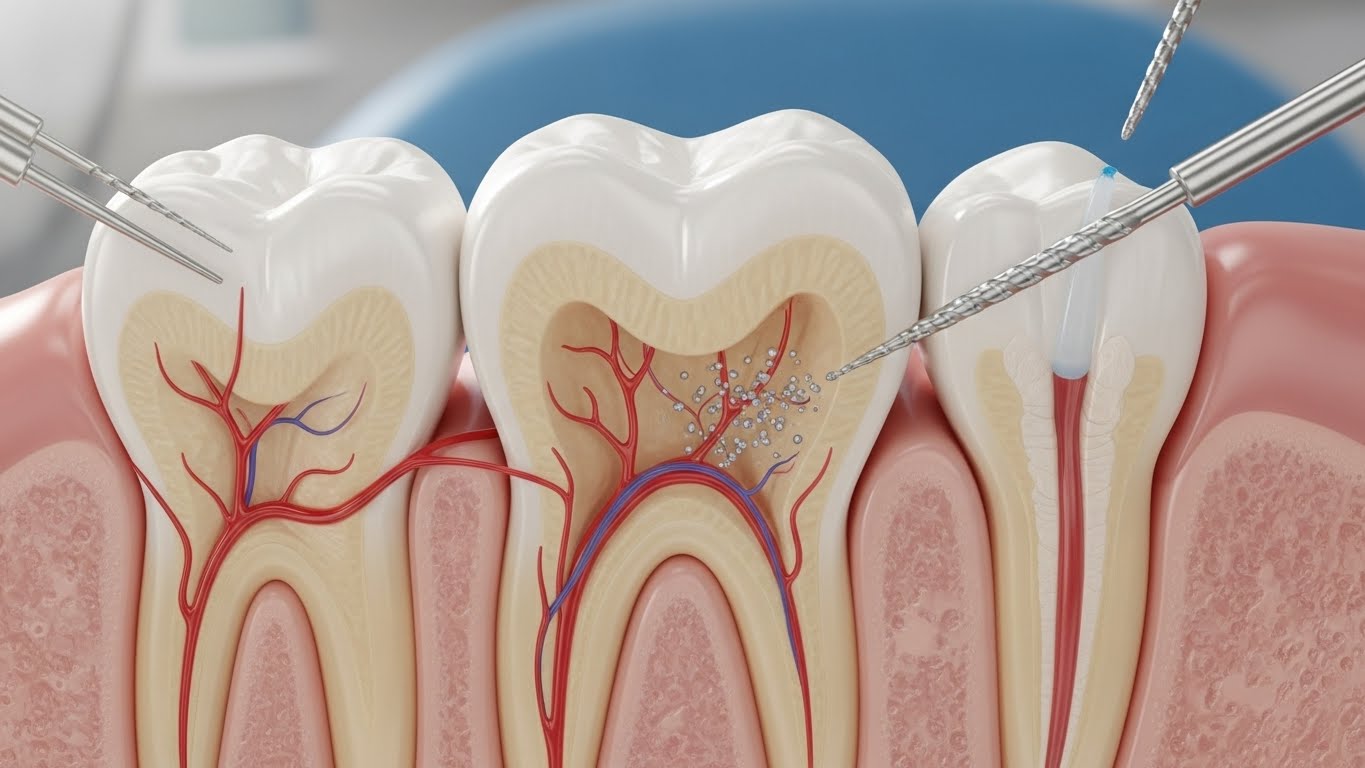
One of the most important aspects of managing a dental emergency is recognizing that pain is rarely random. When tooth pain becomes intense, persistent, or accompanied by swelling, it often signals a deeper issue within the tooth itself. In many cases, this damage occurs in the pulp—the soft tissue inside the tooth that contains nerves and blood vessels. Once this area becomes infected or inflamed, the condition can escalate rapidly without professional care.
Dental Emergency Treatment | Why Immediate Care Matters
Dental emergencies require prompt attention because infections inside a tooth do not remain isolated. Bacteria can spread through the root canal system into surrounding bone and soft tissue, increasing the risk of abscess formation and systemic infection. Delaying treatment may allow the problem to worsen, turning what could have been a straightforward procedure into a more complex and costly situation. Acting quickly not only relieves pain but also significantly improves the likelihood of saving the natural tooth.
Preserving a natural tooth is always the preferred goal when possible. Teeth play an essential role in chewing, speaking, and maintaining the alignment of the jaw. When a tooth is lost, the surrounding bone can begin to deteriorate, and neighboring teeth may shift over time. Emergency treatment that focuses on tooth preservation helps avoid these complications and supports long-term oral stability.
Dental Emergencies That Often Require Root Canal Treatment
Not every dental issue requires urgent care, but certain symptoms strongly indicate the need for immediate evaluation and possible emergency root canal treatment. One of the most common warning signs is a severe toothache that does not go away. Unlike mild sensitivity, persistent or throbbing pain often points to inflammation or infection of the pulp. Patients may also notice increased sensitivity to heat, pressure when biting, or pain that radiates into the jaw, ear, or head.
Swelling is another critical sign that should never be ignored. Swelling of the gums, face, or jaw often indicates the presence of an abscess, which is a pocket of infection that forms near the root of a tooth. An untreated abscess can spread beyond the mouth and pose serious health risks. In these cases, an emergency root canal is frequently the most effective way to remove the infection and prevent further complications.
Dental trauma is also a common cause of emergencies that lead to root canal treatment. Accidents, sports injuries, or falls can crack or fracture a tooth, sometimes without obvious external damage. Even when the tooth appears intact, trauma can disrupt blood flow to the pulp, leading to delayed pain or infection. Emergency endodontic care helps stabilize the tooth and prevent long-term damage.
Emergency Root Canal Treatment vs Tooth Extraction
When faced with a dental emergency, many patients worry that extraction is inevitable. However, emergency root canal treatment is often a better option when the tooth structure can be preserved. A root canal removes the infected pulp, cleans and disinfects the inside of the tooth, and seals it to prevent reinfection. This approach allows patients to keep their natural tooth while eliminating pain and infection.
The benefits of emergency root canal treatment extend beyond immediate relief. Preserving the natural tooth helps maintain proper bite alignment, supports jawbone health, and avoids the need for tooth replacement options such as implants or bridges. Recovery is typically faster than extraction, and patients can return to normal activities more quickly.
Extraction may be considered when a tooth is severely damaged, fractured beyond repair, or when infection has caused extensive bone loss. Even in these cases, dentists often explore endodontic options first, as saving the tooth provides the most conservative and durable outcome whenever possible.
What to Expect During Emergency Root Canal Treatment
Emergency root canal treatment begins with a thorough diagnosis. Dentists use advanced imaging and clinical evaluation to determine the extent of infection and identify the complex anatomy of the tooth’s root system. Many teeth have hidden or curved canals that must be carefully located to ensure successful treatment.
Once the diagnosis is complete, the infected pulp is removed, and the canals are meticulously cleaned and disinfected. This step is essential for eliminating bacteria and preventing reinfection. After cleaning, the canals are sealed, and the tooth is prepared for restoration. In many cases, a crown is placed to protect the tooth and restore full function.
Dental Emergency Treatment | The Role of GentleWave Technology
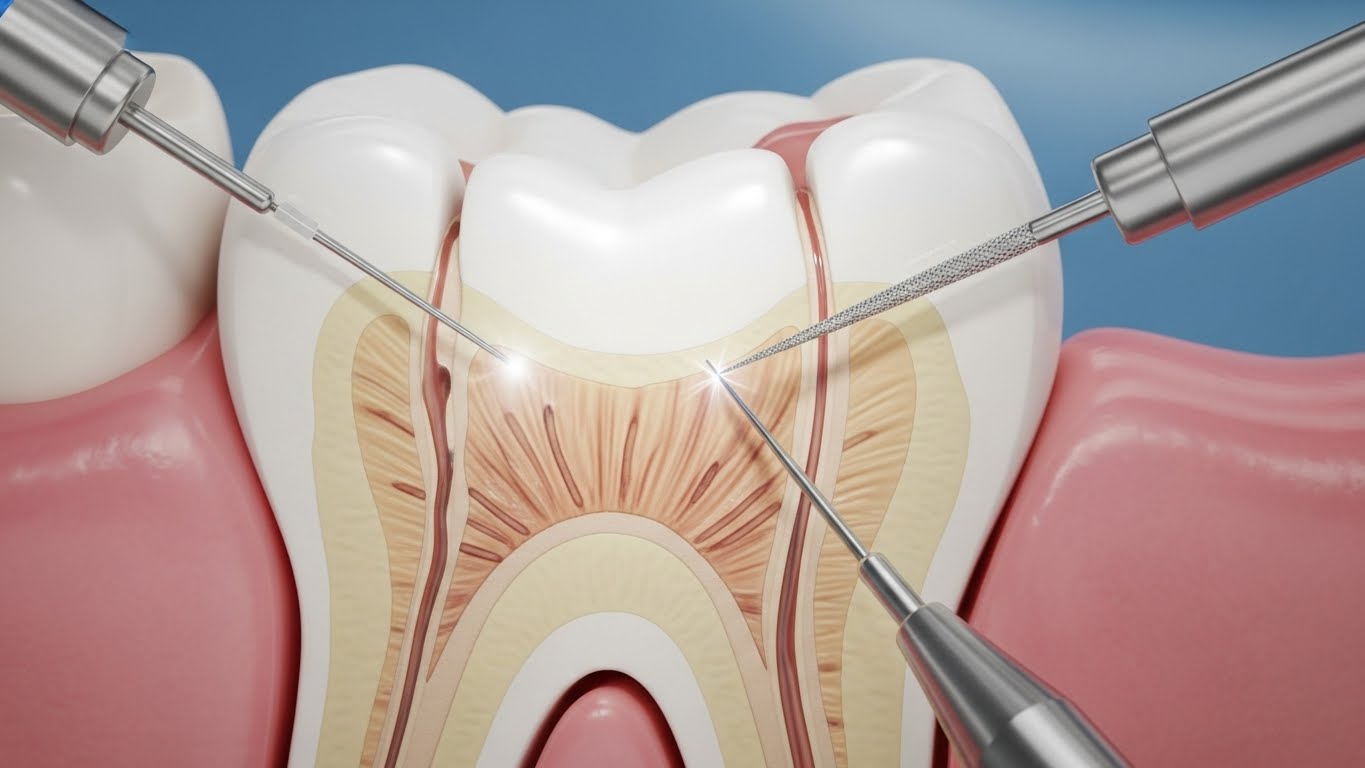
Modern dental emergencies benefit greatly from advances in endodontic technology, particularly the use of GentleWave. This innovative system enhances the cleaning and disinfection process by using advanced fluid dynamics to reach areas of the root canal system that traditional instruments may miss. Because emergency cases often involve extensive infection, thorough cleaning is critical for long-term success.
The GentleWave procedure uses a combination of sound waves and specialized fluids to penetrate microscopic spaces within the tooth. This allows for a deeper level of disinfection without excessive removal of tooth structure. For patients experiencing a dental emergency, GentleWave can improve treatment outcomes, reduce the likelihood of retreatment, and support faster healing.
Painless Endodontics and Patient Comfort
One of the most common fears associated with dental emergencies is pain during treatment. Fortunately, modern painless endodontics has transformed the patient experience. Advances in local anesthesia, minimally invasive techniques, and technology allow emergency root canal procedures to be performed with minimal discomfort. In fact, many patients report immediate relief once the infected tissue is removed.
After treatment, mild soreness is normal but typically short-lived. Most patients can resume normal activities within a day, following simple aftercare instructions to support healing. Effective pain management and gentle techniques help reduce anxiety and make emergency treatment far more comfortable than many patients expect.
When Root Canal Retreatment Is Necessary?
In some situations, a tooth that has previously undergone root canal treatment may become reinfected, leading to another dental emergency. Signs of a failed root canal can include returning pain, swelling, or sensitivity months or even years after the original procedure. These symptoms should be evaluated promptly to prevent further damage.
Root canal retreatment involves removing the old filling material, thoroughly cleaning the canals again, and sealing the tooth to restore its health. Advanced tools, including GentleWave technology, play a significant role in retreatment by reaching areas that may have been missed initially. With proper care, retreatment can successfully resolve recurring issues and preserve the tooth.
Managing a Dental Emergency Before Seeing a Dentist
While professional care is essential, there are steps patients can take to manage discomfort safely before their appointment. Over-the-counter pain relievers, gentle rinsing with warm salt water, and avoiding chewing on the affected side can help reduce symptoms temporarily. However, it is important to avoid DIY(any self prescribed) remedies or delaying treatment, as these approaches can worsen the condition and lead to complications.
Reducing the Risk of Future Dental Emergencies
Preventing dental emergencies starts with proactive care. Regular dental exams allow problems to be detected early, before they escalate into urgent situations. Addressing minor decay, protecting teeth from trauma, and maintaining good oral hygiene all contribute to long-term oral health. For patients who have undergone root canal treatment, proper restoration and follow-up care are essential to protecting the tooth and minimizing the risk of future emergencies.
Dental emergencies can be frightening, but understanding modern treatment options makes them far more manageable. With advanced techniques, painless endodontics, and technology like GentleWave, emergency root canal care offers fast relief, effective infection control, and the best possible chance of saving your natural tooth.
FAQ
1. What qualifies as a dental emergency?
A dental emergency includes severe or persistent tooth pain, swelling, abscesses, trauma to a tooth, or signs of infection such as fever or facial swelling. These symptoms often indicate internal damage that requires immediate professional care.
2. How do I know if I need an emergency root canal?
You may need an emergency root canal if you experience constant tooth pain, sensitivity to heat, pain when biting, swelling around the gums, or an abscess. These symptoms usually signal infection inside the tooth that cannot heal on its own.
3. Can a dental emergency wait a few days?
Most dental emergencies should not be delayed. Infections can spread quickly through the root canal system and into surrounding bone, increasing the risk of tooth loss and more serious health complications.
4. Is emergency root canal treatment painful?
No. Thanks to painless endodontics, emergency root canal treatment is typically no more uncomfortable than getting a filling. Modern anesthesia and gentle techniques often provide immediate pain relief once the infected tissue is removed.
5. What is GentleWave and how does it help during a dental emergency?
GentleWave is an advanced technology used during root canal treatment to clean and disinfect complex root canal systems more thoroughly. It is especially effective in dental emergencies where infection is extensive or difficult to reach.
6. How does the GentleWave procedure differ from traditional root canal treatment?
The GentleWave procedure uses fluid dynamics and sound waves to reach microscopic spaces inside the tooth that traditional tools may miss. This allows for deeper cleaning, reduced bacteria, and improved long-term outcomes.
7. Is it better to get an emergency root canal or have the tooth extracted?
Whenever possible, an emergency root canal is preferred over extraction. Saving the natural tooth helps maintain proper bite alignment, jawbone health, and avoids the need for tooth replacement procedures.
8. What is root canal retreatment and when is it necessary?
Root canal retreatment is needed when a previously treated tooth becomes reinfected. Symptoms such as recurring pain, swelling, or sensitivity may indicate that bacteria remained or re-entered the tooth.
9. How long does recovery take after emergency root canal treatment?
Most patients recover quickly, often returning to normal activities within one day. Mild soreness is common but typically resolves within a few days with proper aftercare.
10. How can I reduce my risk of future dental emergencies?
Regular dental checkups, early treatment of decay, protecting teeth from trauma, and maintaining good oral hygiene can significantly reduce the risk of future dental emergencies. Proper restoration after root canal treatment also plays a key role in long-term tooth protection.