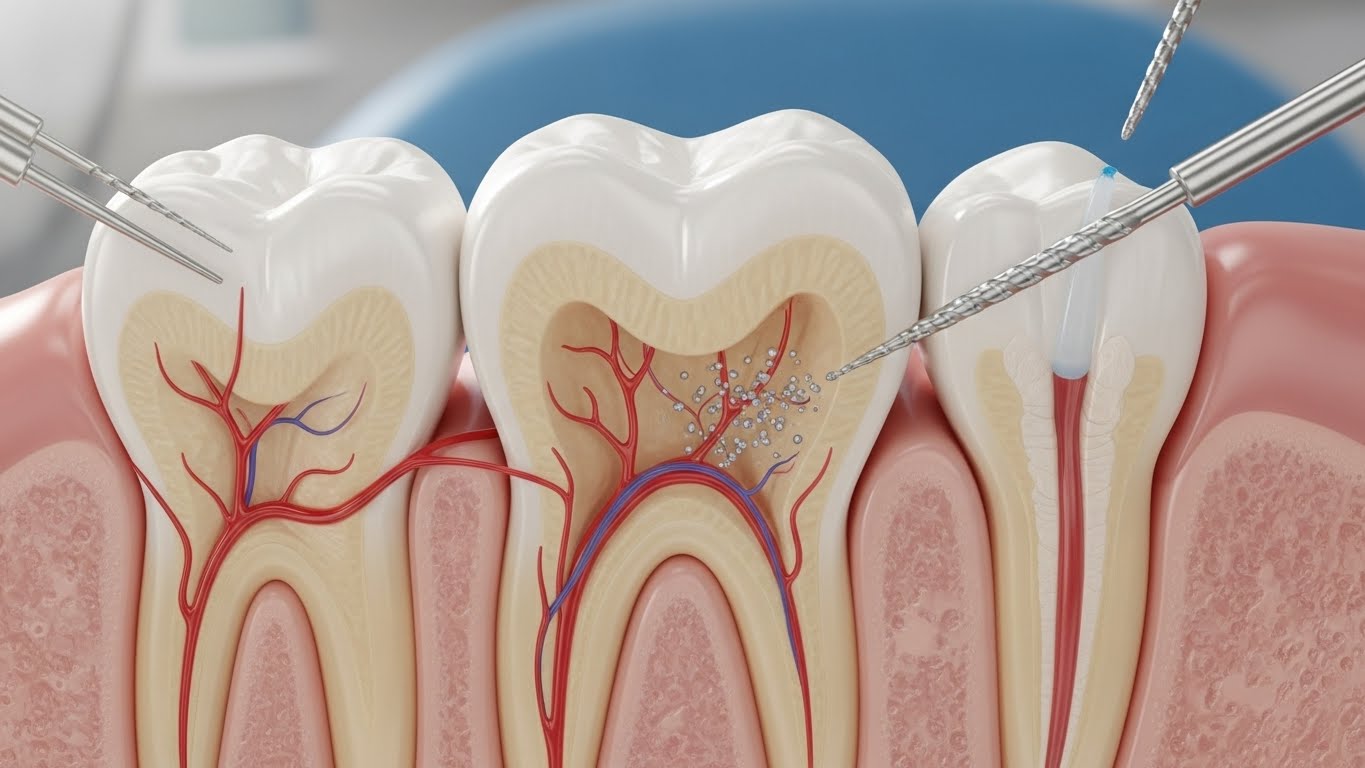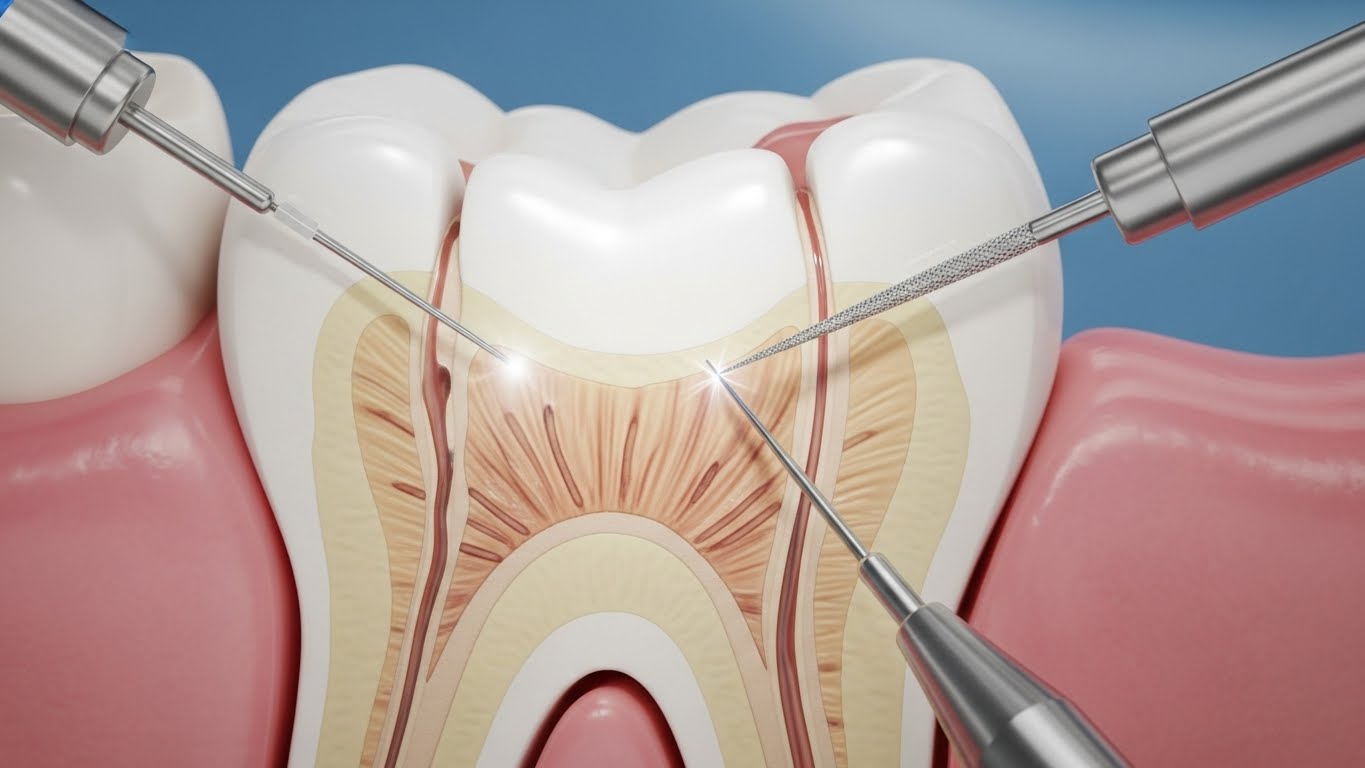
When a tooth has ongoing pain, inflammation, or infection near the root tip, specialized endodontic care may be needed to evaluate the source of the problem. In many cases, root canal treatment or root canal retreatment can help address issues inside the tooth, but some conditions may require a more focused surgical approach. Root end surgery is an endodontic procedure designed to address problems at the tip of the tooth root when conventional treatment may not fully resolve the concern. This type of care is typically considered after a detailed diagnosis and is focused on helping preserve the natural tooth whenever possible.
What Root End Surgery Means in Endodontics
Root end surgery is also commonly associated with the term apicoectomy procedure. It involves accessing the area near the root tip to remove affected tissue and address the end of the root where infection or inflammation may remain. The goal is to manage the problem at its source while supporting the long-term stability of the tooth.
Endodontic surgery is different from routine dental treatment because it focuses on the internal and root structures of the tooth. An endodontic specialist may evaluate symptoms, imaging, and previous dental treatment history to determine whether this approach is appropriate. Since every case is different, professional diagnosis is essential before deciding whether surgical care should be considered.
Why Root End Surgery May Be Discussed
A tooth may continue to show signs of discomfort or infection even after root canal treatment for several reasons. The root canal system can be complex, with small branches or narrow spaces that may be difficult to fully access during standard treatment. In other cases, a tooth may have a crack, old restoration, or persistent inflammation near the root tip.
A tooth root infection may cause symptoms such as tenderness, swelling, recurring discomfort, or changes seen on dental imaging. These signs do not automatically mean surgery is needed, but they do indicate that further evaluation may be important. In some situations, root canal retreatment may be considered first. In others, surgical access to the root end may provide a more direct way to evaluate and manage the affected area.
The Role of Advanced Diagnosis
Before root end surgery is recommended, the dental team must understand what is happening beneath the surface. Digital imaging, clinical testing, and a review of the patient’s symptoms can help identify whether the concern is related to the tooth root, surrounding bone, or previous treatment. This diagnostic process helps create a treatment plan based on the condition of the tooth rather than symptoms alone.
Why Specialized Evaluation Matters
Tooth pain can be difficult to trace because discomfort may travel or feel like it is coming from a different area. An endodontic specialist is trained to evaluate complex tooth pain and internal tooth conditions. This specialized focus can be helpful when symptoms continue after earlier dental care or when imaging shows changes near the root tip.
How Root End Surgery Supports Tooth Preservation
One of the main goals of endodontics is to preserve natural teeth when possible. Natural teeth help maintain chewing function, bite balance, and jaw support. When a tooth can be saved through proper care, it may help patients avoid extraction and more extensive replacement options.
Root end surgery may support tooth preservation by addressing infection or inflammation that remains near the root tip. During the procedure, the affected root-end area is managed carefully, and the end of the root may be sealed to reduce the chance of continued irritation. The exact process depends on the tooth, location, anatomy, and diagnosis.
What Patients Should Understand About the Process
Patients often feel concerned when they hear the word surgery, but root end procedures are focused and planned with precision. The dental team will usually explain the reason for the procedure, what area is being addressed, and what the patient can expect before and after care. Understanding the purpose of the treatment can help reduce uncertainty and support a more comfortable experience.
Healing and Follow-Up Care
Healing after endodontic surgery takes time. Follow-up visits may be recommended so the dental team can monitor the area and evaluate how the surrounding tissues are responding. Imaging may also be used later to review healing around the root tip. Good communication and routine follow-up are important parts of the overall care process.
Root End Surgery and Long-Term Oral Health
Root end surgery is not used for every endodontic concern, but it can be an important option when a tooth has a persistent root-related issue. By focusing on the root tip and surrounding tissue, the procedure may help manage infection, reduce inflammation, and support the goal of keeping the natural tooth.
For patients experiencing recurring discomfort or concerns after previous root canal care, a professional evaluation can provide clarity. A careful diagnosis helps determine whether monitoring, retreatment, surgery, or another option may be most appropriate. With modern endodontic care, patients can better understand their condition and make informed decisions about long-term oral health.
FAQ
1. What is root end surgery?
Root end surgery is an endodontic procedure used to address problems near the tip of a tooth root. It may be considered when infection or inflammation remains after previous root canal treatment.
2. Is root end surgery the same as an apicoectomy procedure?
Yes, root end surgery is often called an apicoectomy procedure. Both terms refer to surgical treatment focused on the root tip and surrounding affected tissue.
3. Why would someone need endodontic surgery?
Endodontic surgery may be considered when a tooth continues to show signs of infection, inflammation, or discomfort after standard treatment. A detailed evaluation is needed to determine the cause.
4. Can root end surgery help save a natural tooth?
In some cases, root end surgery may help preserve a natural tooth by addressing the root-end problem directly. The goal is to support tooth stability and long-term function when possible.
5. What is a tooth root infection?
A tooth root infection occurs when bacteria or inflammation affect the area around the root of a tooth. Symptoms may include tenderness, swelling, or changes seen on dental imaging.
6. Is root canal retreatment different from root end surgery?
Yes. Root canal retreatment usually works through the inside of the tooth, while root end surgery accesses the root tip from the surrounding gum and bone area.
7. How does an endodontic specialist evaluate the tooth?
An endodontic specialist may use imaging, symptom review, clinical testing, and dental history to understand the source of the problem and recommend an appropriate option.
8. Is root end surgery used for every failed root canal?
No. Not every unresolved root canal concern requires surgery. Some cases may be monitored, retreated, restored, or managed another way depending on the diagnosis.
9. What happens after root end surgery?
After root end surgery, the area needs time to heal. Follow-up visits may be used to monitor tissue response and check healing around the root tip.
10. Why is early evaluation important?
Early evaluation helps identify persistent endodontic problems before they become more complex. Timely diagnosis can support better planning and help protect long-term oral health.