Our Treatments:

Root Canal Treatment

Root canal treatment is indicated due to several reasons, such as:

deep caries close to the pulp with or without symptoms, temperature hyper-sensitivity, cracked or fractured tooth, restorative reasons, necrotic pulp, pain on touch or bite. 

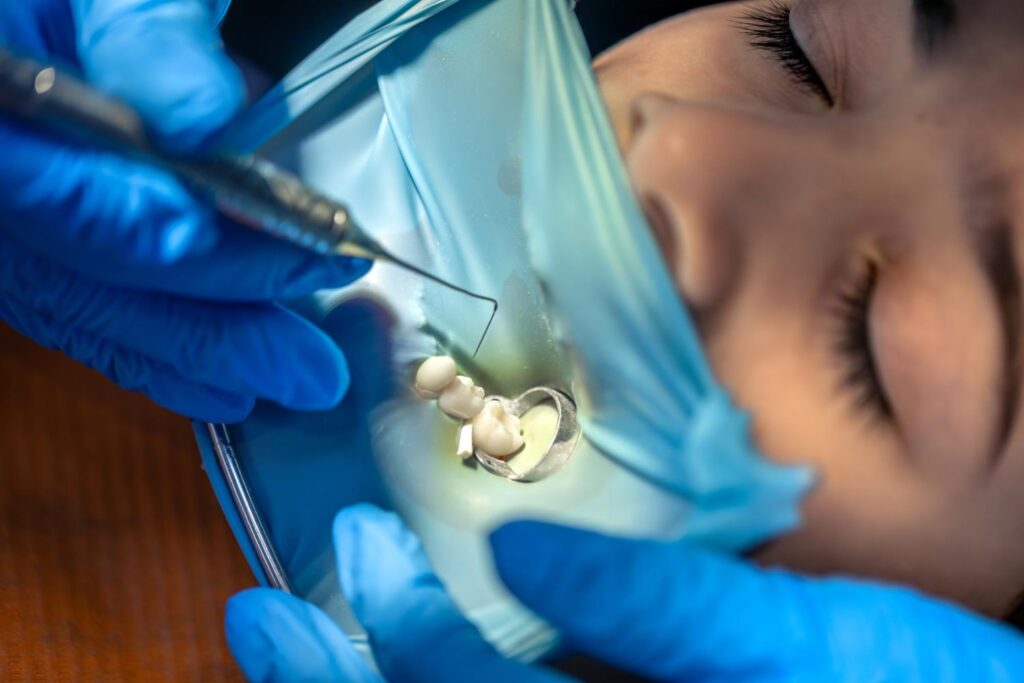
During this procedure, the root canal area will be accessed, cleaned and filled. The teeth will need a crown after root canal treatment to protect the tooth structure. 

Root Canal Retreatment

Root canal retreatment is recommended when the initial root canal treatment fails.

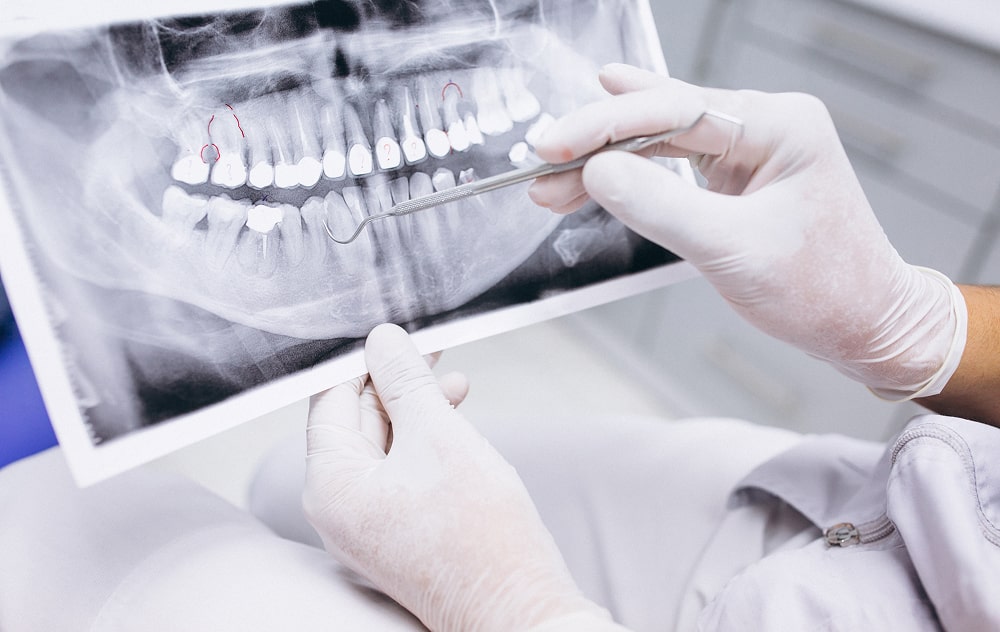
Patients could experience pain on chewing and biting, temperature sensitivity, or have periapical lesion (root end darkness than could be seen on the radiographs). The first treatment of choice will be retreatment if indicated, in order to remove the cause of irritation and bacteria from the root canal system by correcting the previous treatment.

Root end surgery (apicoectomy)

Root end surgery is recommended when retreatments are not indicated, or the lesion at the root end does not heal and biopsy is needed. This procedure consists of removing the 3-5 mm of the root end and placing a bioceramic, biocompatible filling material in the root. Sometimes, placing bone graft is necessary.

Pulp regeneration

This is a biologically based procedure that helps teeth with necrotic pulp form dentin-like structure. It results in increased length and width of tooth structure in teeth with incomplete root development.

Cracked tooth

Teeth can become painful to biting and chewing and may also become sensitive to temperature due to cracks. Bacteria can penetrate the tooth structure through these cracks in the dentin towards the pulp, causing irritation and inflammation in the root canal system. The treatment of choice for these type of symptoms is root canal treatment, followed by the placement of a crown in order to save the tooth.

Trauma

Although trauma mostly happens to younger children, it is another cause of tooth pain in adults. Depending on the severity of the trauma, different endodontic treatments could save teeth and preserve natural smile for patients. 

Vital Pulp Therapy

Vital pulp therapy is a treatment aimed at preserving the vitality of immature teeth to support normal root development. This procedure may involve partial pulpotomy, full pulpotomy, direct pulp capping, or indirect pulp capping. It is most commonly performed on teeth affected by deep decay or trauma.

Root Resorption Repair

Root resorption is a condition resulting from physiological or pathological processes that lead to the loss of tooth structure. It may occur due to factors such as trauma, prolonged inflammation, or infection in the root area. In severe cases, root resorption can compromise the structural integrity of the tooth and potentially lead to tooth loss. Early diagnosis and appropriate treatment are essential for preserving the affected tooth and maintaining natural dentition.

Internal Bleaching

Internal Bleaching is a procedure used to lighten a tooth that has become discolored or darkened due to a previous root canal treatment or pulp tissue necrosis. This minimally invasive treatment effectively removes internal staining, helping to restore the tooth’s natural appearance and achieve a more uniform color match with the surrounding teeth. 

Emergency Dental Care

If you’re experiencing a toothache or any kind of dental emergency, we’re here to help with prompt and compassionate care. Whether you need immediate relief through palliative treatment or an emergency root canal, our skilled dental team is ready to act quickly to ease your pain and address the issue. We understand how sudden and intense dental pain can be, which is why we prioritize emergency cases and strive to provide fast, effective solutions to restore your comfort and peace of mind.

Delta Root Canal is dedicated to providing comprehensive endodontic care focused on preserving natural teeth, relieving pain, and restoring oral health with advanced technology and compassionate treatment. Root canal therapy and related procedures are designed to address infection, inflammation, injury, and structural concerns within the tooth to prevent the need for extraction and support long term dental function. Every patient receives personalized evaluation using modern diagnostic tools, and treatment plans are tailored to individual needs to ensure comfort and successful outcomes. Our team emphasizes the importance of proper post treatment care, including appropriate follow up with restorations such as crowns when necessary, to enhance strength and protect the treated tooth.

We also provide educational resources and guidance on maintaining oral health to help patients prevent future issues and optimize overall dental wellness. Whether you are exploring your first visit, researching treatment options, or seeking information about insurance or financial arrangements, we strive to make every part of your experience clear and supportive. Our practice combines clinical expertise with attentive patient communication to help you feel confident and informed about your care.


  • What is endodontic treatment and when is it needed?

Endodontic treatment focuses on the inside of the tooth, including the pulp and root canals. It is commonly needed when the pulp becomes inflamed or infected due to deep decay, cracks, trauma, or repeated dental procedures. Treating the tooth at this stage helps relieve discomfort and preserve the natural tooth structure.

  • Is a root canal painful?

Modern root canal treatment is designed to be comfortable and efficient. With current techniques and anesthesia, most patients report that the procedure feels similar to receiving a standard filling. The goal of treatment is to eliminate pain caused by infection, not to create it.

  • How long does a treated tooth last?

A tooth that has received proper endodontic treatment and is restored appropriately can last many years. Long term success depends on factors such as oral hygiene, regular dental visits, and completing any recommended restorative work after treatment.

  • Do I need a referral to see an endodontic specialist?

In many cases, patients are referred by their general dentist, but referrals are not always required. If you are experiencing tooth pain or have been advised that you may need specialized care, you can contact the practice directly to discuss your situation and next steps.


Accessibility