A sudden dental injury can happen during sports, an accident, a fall, or an unexpected impact to the mouth. When a permanent tooth is completely displaced from its socket, the situation requires prompt professional attention because the condition of the tooth and surrounding tissues can change quickly. Dental trauma treatment for a knocked out tooth focuses on evaluating the injury, protecting the natural tooth when possible, and addressing damage involving the pulp, root, supporting bone, or surrounding tissues.
Dental trauma is particularly common among younger patients, although adults can also experience significant tooth injuries. Delta Root Canal identifies trauma as an important cause of tooth pain and notes that different endodontic treatments may be used depending on the severity of the injury. The larger goal of endodontic care is to preserve natural teeth whenever possible rather than moving immediately toward extraction.
A knocked-out tooth, also known as an avulsed tooth, represents one of the more serious forms of dental trauma. Unlike a small chip or surface fracture, the entire tooth has been displaced from its normal position. This can affect the periodontal tissues that hold the tooth in place, the blood supply to the pulp, and potentially the surrounding bone.
Why Immediate Evaluation Matters After Dental Trauma
Time is an important consideration after severe dental trauma. A professional examination allows the dentist or endodontic specialist to evaluate what happened to the tooth and determine which structures have been affected.
The first concern is whether the tooth can be preserved. The condition of the tooth, root, socket, and surrounding tissues all influence treatment planning. Injuries can vary considerably, so the appropriate treatment for one patient may be very different from the treatment needed by another.
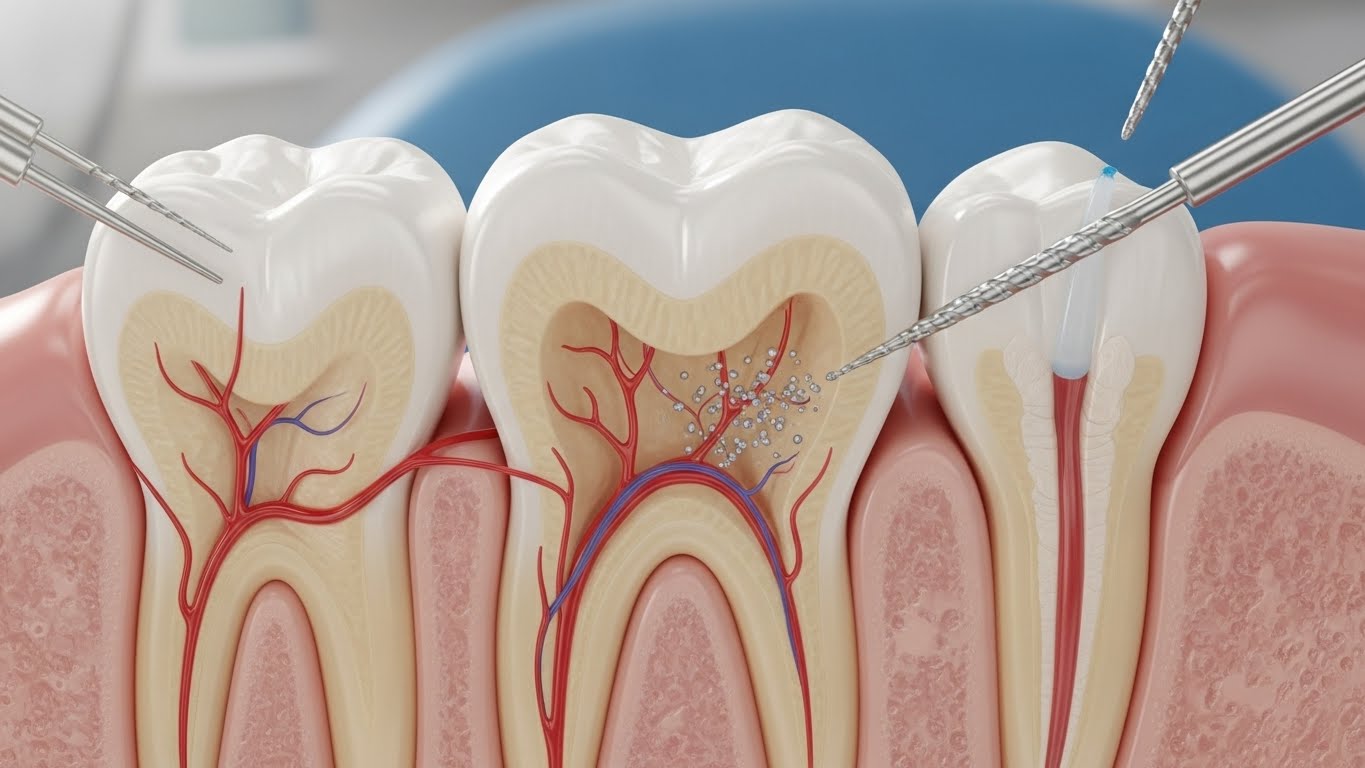
Endodontic evaluation is particularly important because trauma can damage the pulp located inside the tooth. The pulp contains nerves, blood vessels, and connective tissues. A significant impact can disrupt the blood supply, cause inflammation, or eventually lead to pulp necrosis.
Procedures remove bacteria and inflamed or necrotic tissue from the root canal space when necessary, helping preserve natural dentition and maintain normal chewing function. Modern endodontic care may also use advanced technologies such as microscopes and CBCT imaging to evaluate complex injuries more closely.
Not every traumatic injury requires exactly the same procedure. In younger patients with developing teeth, preserving pulp vitality can be particularly important because continued root development may still be taking place. Delta Root Canal offers vital pulp therapy, which is designed to preserve the vitality of immature teeth and support normal root development following problems such as deep decay or trauma.
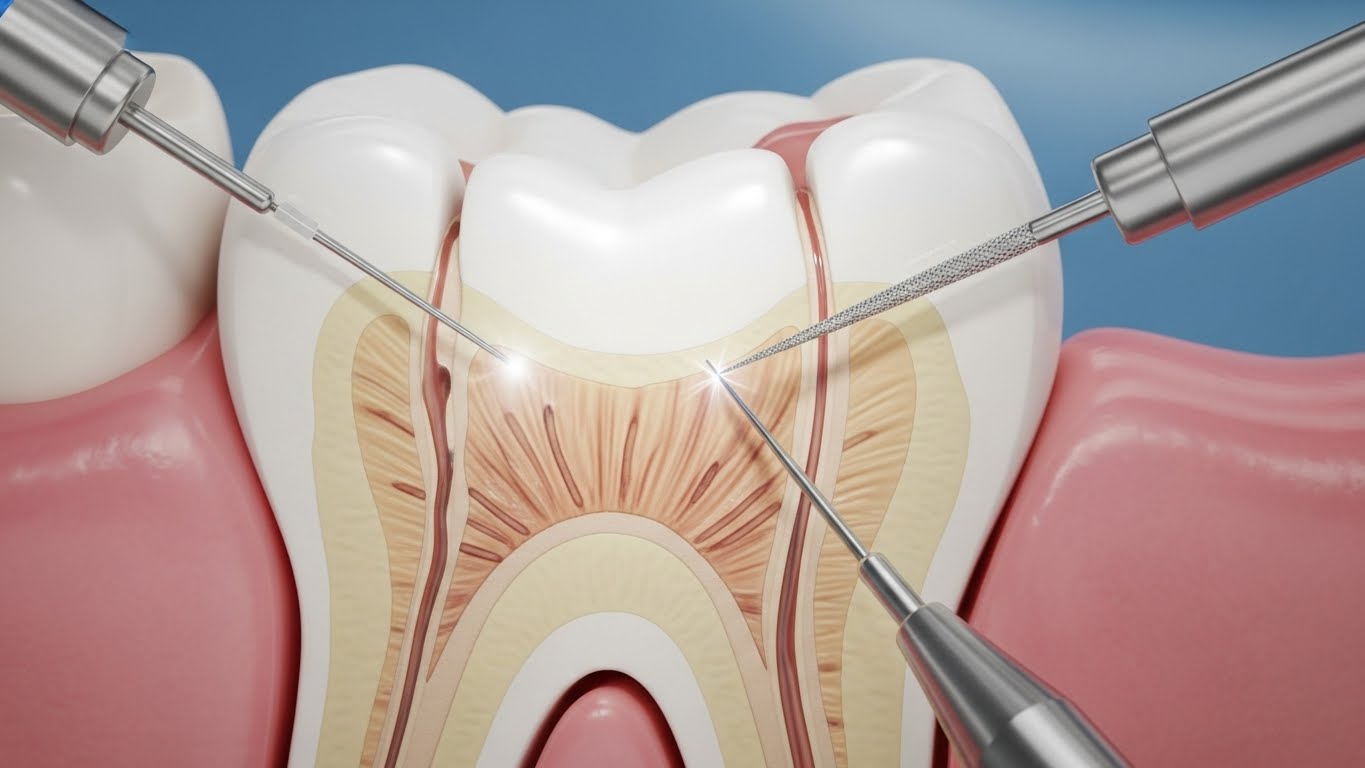
In other circumstances, root canal treatment may become necessary if the pulp becomes irreversibly inflamed or necrotic. During root canal therapy, the internal canal system is accessed, cleaned, and filled to remove damaged tissue and bacteria.
Dental trauma can also have effects that become noticeable later. A tooth that appears stable immediately after an injury may experience changes over time, which is why follow-up care can be important.
One potential complication is root resorption. Root resorption is a process that causes loss of tooth structure and notes that trauma, inflammation, and infection can contribute to its development. In severe cases, resorption can compromise the structural integrity of the tooth, making early diagnosis and appropriate treatment important for preservation.
Preserving the Natural Tooth After an Injury
The primary objective after serious dental trauma is often to maintain the natural tooth whenever the clinical situation makes that possible. Natural teeth support normal chewing, speech, bite relationships, and the appearance of the smile.
A comprehensive trauma evaluation may include clinical examination, dental imaging, assessment of surrounding teeth, and testing designed to evaluate pulp and periodontal health. Advanced imaging such as CBCT may provide additional information when conventional X-rays cannot fully demonstrate the extent of an injury.
Treatment does not necessarily end once the immediate emergency has been managed. Traumatized teeth may require monitoring because changes in the pulp, root, or supporting tissues can occur after the original injury.
Patients should attend recommended follow-up examinations even if the tooth feels comfortable. Pain is not the only indicator of a problem. Changes involving the pulp or root may sometimes progress before producing significant symptoms.
Emergency dental care is another important part of managing trauma. Delta Root Canal prioritizes emergency cases involving toothaches and urgent endodontic concerns, with care focused on relieving discomfort and addressing the underlying cause of the problem.
Patients who experience a severe injury should avoid assuming that a displaced or damaged tooth cannot be saved. Modern endodontic treatment provides several approaches for managing trauma depending on tooth development, pulp health, root condition, and the severity of the injury.
Professional dental trauma treatment for a knocked out tooth allows an endodontic specialist to evaluate these factors and determine whether the natural tooth can be preserved. Treatment may involve immediate stabilization, monitoring, vital pulp therapy, root canal treatment, or another endodontic procedure depending on the circumstances.
Dental trauma can be frightening, but rapid evaluation and appropriate follow-up can make an important difference. Specialized endodontic care focuses not only on relieving immediate discomfort but also on protecting the tooth, monitoring healing, and preserving the patient’s natural smile whenever possible.
FAQ
1: What is a knocked-out tooth?
A knocked-out or avulsed tooth is a tooth that has been completely displaced from its socket because of trauma.
2: Is a knocked-out permanent tooth a dental emergency?
Yes. A completely displaced permanent tooth requires prompt professional evaluation because treatment options can be time-sensitive.
3: Can an endodontist treat dental trauma?
Yes. Endodontists specialize in diagnosing and treating problems involving the dental pulp, root canals, and traumatic injuries that affect these structures.
4: Can dental trauma damage the tooth pulp?
Yes. Significant impact can affect blood vessels and tissues within the pulp, potentially resulting in inflammation or pulp necrosis.
5: Does every traumatized tooth need a root canal?
No. Treatment depends on the severity of the injury, pulp health, root development, and other clinical findings.
6: What is vital pulp therapy?
Vital pulp therapy is intended to preserve living pulp tissue, particularly in immature teeth where continued root development is important.
7: What is root resorption after dental trauma?
Root resorption involves loss of tooth structure around the root and can sometimes occur following trauma, inflammation, or infection.
8: Why is follow-up care important after a tooth injury?
Changes involving the pulp, root, or supporting tissues may develop after the initial injury, even when the tooth feels comfortable.
9: Can advanced imaging help diagnose dental trauma?
Yes. Technologies such as CBCT can provide detailed views of roots, bone, and surrounding structures when evaluating complex injuries.
10: What is the goal of endodontic trauma treatment?
The primary goal is to address damage or infection while preserving the natural tooth whenever clinically possible. Book your appointment today.