
Need root canal retreatment in Mission Viejo, CA? Delta Root Canal provides advanced endodontic retreatment using CBCT imaging, microscopes, and modern technology to help save previously treated teeth.
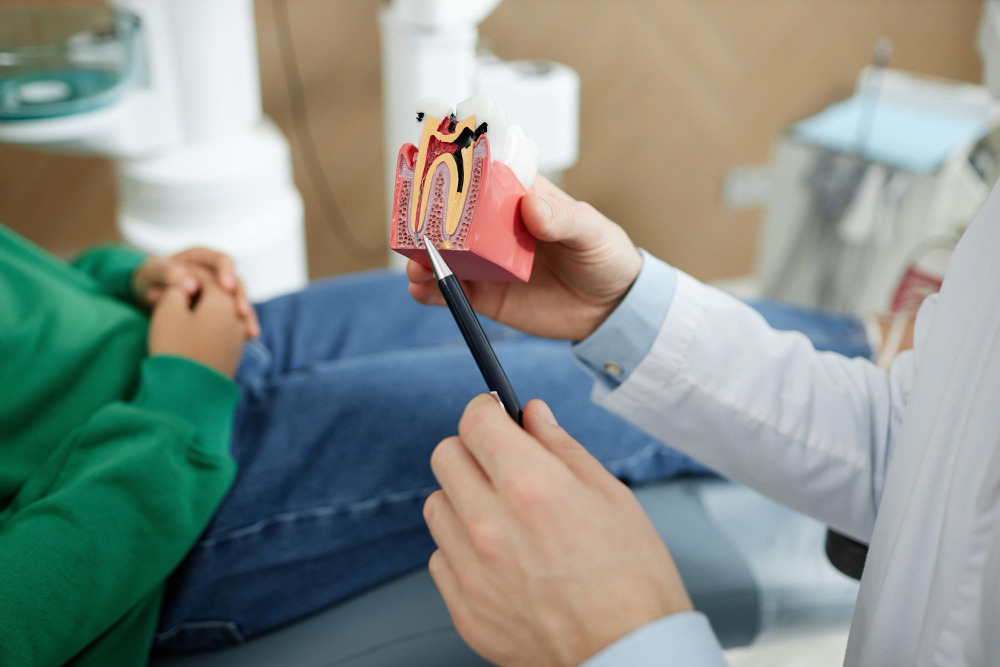
Root canal treatment is highly successful in many cases, but occasionally a previously treated tooth may not heal as expected or may develop new problems months or even years after the original procedure. When this occurs, root canal retreatment may be recommended to help preserve the natural tooth and address the source of ongoing symptoms or infection.
At Delta Root Canal in Mission Viejo, CA, root canal retreatment is performed using advanced diagnostic technology, specialized endodontic techniques, and a patient-centered approach. The goal is to identify the cause of the problem, remove infection or contamination from the root canal system, and provide another opportunity for healing while preserving the natural tooth whenever possible.
80%
Tooth Survivalafter root canal treatment
1X
More Likely
to Be Described as Painless
What Is Root Canal Retreatment?
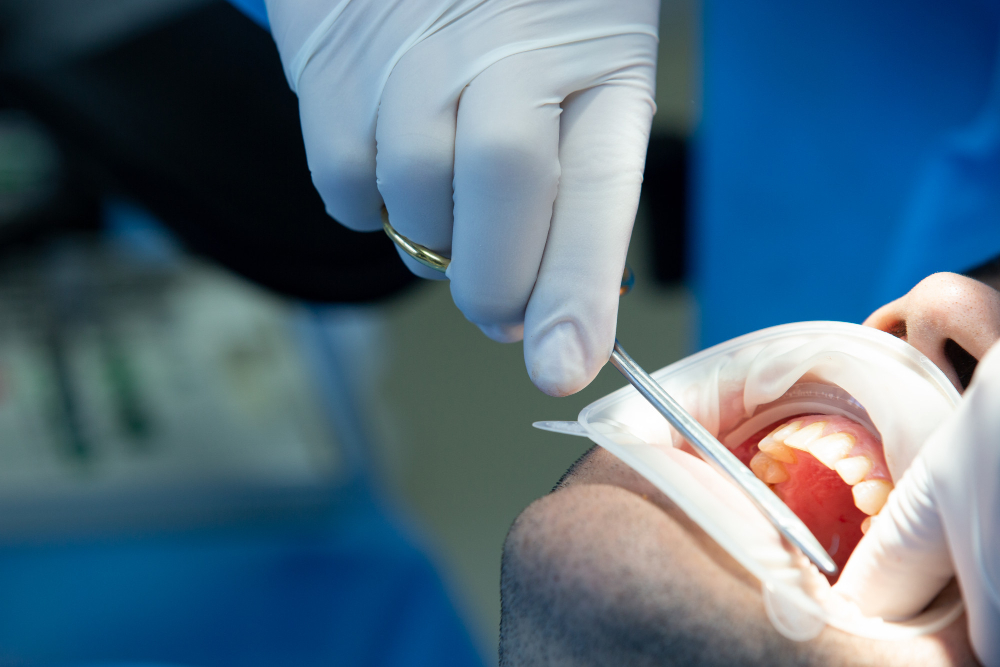
Root canal retreatment is a specialized endodontic procedure performed on a tooth that has previously undergone root canal treatment. The procedure involves reopening the tooth, removing previous root canal filling materials, evaluating the canal system, cleaning and disinfecting the canals, and then refilling and sealing the tooth.
Retreatment may be recommended when a previously treated tooth develops new symptoms, does not heal properly, or experiences reinfection. The purpose of retreatment is to address the underlying cause and provide an opportunity for long-term tooth preservation.
Why Would a Tooth Need Root Canal Retreatment?
Although many root canal treatments remain successful for years, certain factors can affect healing or allow bacteria to re-enter the root canal system.
Root canal retreatment may be considered when a tooth develops persistent infection, recurring discomfort, new decay, fractures, restorative complications, or previously undetected canal anatomy. In some situations, symptoms may appear shortly after treatment, while in others, a tooth may remain symptom-free for years before new issues develop.
An endodontic evaluation helps determine whether retreatment is appropriate and whether the tooth can benefit from another attempt at preserving its function and health.
Signs You May Need Root Canal Retreatment
A previously treated tooth may require further evaluation if symptoms return or if healing is not progressing as expected.
Possible signs include:
- Persistent tooth pain
- Sensitivity when chewing or biting
- Swelling around the tooth or gums
- Tenderness near the root area
- Recurring dental abscess
- Drainage near the affected tooth
- Darkening of the tooth
- Findings visible on dental X-rays or CBCT imaging
In some cases, patients experience no symptoms at all, and concerns are discovered during routine dental examinations.
Common Reasons Root Canal Treatment May Fail
Root canal retreatment is not necessarily the result of a mistake or poor care. Endodontic anatomy can be extremely complex, and certain factors may affect long-term healing.
Reasons retreatment may be recommended include:
- Complex canal anatomy that was not fully accessible during previous treatment
- Hidden or additional canals that were not initially detected
- Delayed placement of the final restoration
- New decay exposing the root canal system
- Cracked or fractured tooth structure
- Loss of the restoration or crown seal
- Bacterial contamination of the canals after treatment
- New trauma affecting the tooth
A thorough examination helps identify the specific cause and determine the most appropriate treatment approach.
How Root Canal Retreatment Is Performed
The retreatment process begins with a comprehensive diagnostic evaluation. Digital radiographs, CBCT imaging, clinical examination, and symptom assessment help the endodontist understand the condition of the tooth and surrounding structures.
During treatment, the previous restoration may be removed to access the root canal system. Existing root canal filling materials are carefully removed, allowing the canals to be re-examined and cleaned.
The canals are then disinfected, reshaped as needed, and evaluated for previously untreated anatomy, infection, fractures, or other concerns. Once the canals have been properly treated, they are refilled and sealed to help reduce the risk of future contamination.
The final restoration is typically completed by the patient’s general dentist after retreatment has been successfully completed.
Advanced Technology for Root Canal Retreatment
Successful retreatment often requires a higher level of diagnostic precision because the tooth has already undergone treatment.
Delta Root Canal utilizes advanced technologies that support accurate diagnosis and treatment planning.
CBCT imaging provides detailed three-dimensional views of the tooth, roots, surrounding bone, and canal anatomy. This technology helps identify hidden canals, missed anatomy, fractures, and areas of persistent infection.
Dental operating microscopes provide enhanced magnification and illumination, allowing the endodontist to visualize fine details that may not be visible with the naked eye.
Modern endodontic instruments and irrigation systems support thorough cleaning and disinfection of complex canal systems during retreatment procedures.
Root Canal Retreatment in Mission Viejo, CA
Root Canal Retreatment in Mission Viejo and Nearby Communities
Delta Root Canal serves patients throughout Mission Viejo and surrounding Orange County communities. Patients are commonly referred by their general dentists, but individuals experiencing symptoms associated with a previously treated tooth may also contact the office for evaluation.
Whether your root canal was completed recently or many years ago, an endodontic consultation can help determine why symptoms have returned and what treatment options may be available.
Schedule a Root Canal Retreatment Consultation
If a previously treated tooth is causing pain, swelling, sensitivity, or has been identified as needing further evaluation, root canal retreatment may provide an opportunity to preserve the tooth and improve long-term oral health.
Contact Delta Root Canal in Mission Viejo, CA to schedule a comprehensive retreatment evaluation.
FAQs | Root Canal Retreatment
Summary Answer
Root canal retreatment is a procedure performed on a tooth that has previously undergone root canal treatment but requires additional endodontic care.
Full Answer
Root canal retreatment involves reopening the tooth, removing previous root canal materials, cleaning and disinfecting the canals again, and sealing them to address infection, healing concerns, or newly identified issues.
Summary Answer
Retreatment may be recommended when a previously treated tooth develops new symptoms, infection, or healing complications.
Full Answer
A tooth may require retreatment due to persistent infection, hidden canals, new decay, fractures, restoration failure, or reinfection that occurs after the original root canal procedure.
Summary Answer
Yes. A tooth may develop new problems months or years after a successful root canal treatment.
Full Answer
Even after many years, bacteria can enter the tooth through new decay, cracks, damaged restorations, or other pathways. In some situations, healing problems may not become apparent until years after treatment.
Summary Answer
Pain, swelling, sensitivity, tenderness, or signs of infection may indicate a need for further evaluation.
Full Answer
Common symptoms include discomfort when chewing, swelling near the gums, recurring abscesses, drainage, sensitivity, or radiographic evidence of infection around the tooth root.
Summary Answer
Modern retreatment procedures are designed to be comfortable and are performed using local anesthesia.
Full Answer
Most patients report a treatment experience similar to other endodontic procedures. The goal of retreatment is to eliminate infection and address the cause of pain rather than create additional discomfort.
Summary Answer
Many previously treated teeth can benefit from retreatment and continue functioning successfully.
Full Answer
Success depends on factors such as the tooth’s condition, anatomy, restorability, and the reason retreatment is needed. An endodontic evaluation can provide a better understanding of expected outcomes.
Summary Answer
Treatment time varies depending on the complexity of the tooth and the extent of the problem.
Full Answer
Some retreatment procedures can be completed in a single visit, while more complex cases may require multiple appointments to ensure proper cleaning and healing.
Summary Answer
In many cases, yes. Retreatment may provide another opportunity to preserve the natural tooth.
Full Answer
By addressing infection, untreated anatomy, or other issues inside the canal system, retreatment can often improve healing and extend the life of the tooth.
Summary Answer
Many patients are referred by their dentists, but a referral is not always required.
Full Answer
Patients experiencing symptoms in a previously treated tooth can contact Delta Root Canal directly to discuss their situation and schedule an evaluation.
Summary Answer
Delta Root Canal provides specialized root canal retreatment services in Mission Viejo, CA.
Full Answer
The practice offers advanced endodontic retreatment using CBCT imaging, microscopes, and specialized techniques focused on preserving natural teeth whenever possible.