

Need an apicoectomy in Mission Viejo, CA? Delta Root Canal provides advanced root end surgery using modern endodontic techniques to help preserve natural teeth when conventional treatment is not enough.

In some cases, a tooth may continue to show signs of infection or inflammation even after root canal treatment or retreatment has been completed. When conventional endodontic treatment is not enough to resolve the problem, root end surgery, commonly known as an apicoectomy, may be recommended.
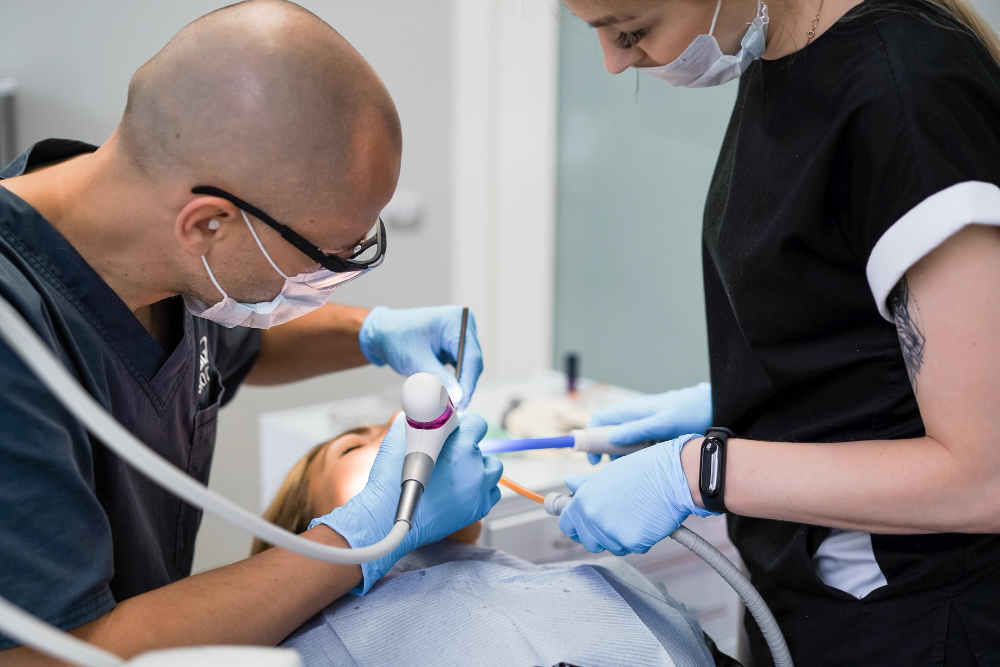
At Delta Root Canal in Mission Viejo, CA, apicoectomy procedures are performed using advanced imaging, specialized endodontic techniques, and modern surgical technology. The goal is to eliminate infection, promote healing, and help preserve the natural tooth whenever possible.
For many patients, an apicoectomy provides an alternative to tooth extraction and may offer another opportunity to maintain the function and appearance of a natural tooth.
80%
Tooth Survivalafter root canal treatment
1X
More Likely
to Be Described as Painless
What Is an Apicoectomy?
An apicoectomy is a specialized endodontic surgical procedure performed at the tip of a tooth root. The word “apicoectomy” refers to the removal of the root apex, which is the end portion of the tooth root.
During the procedure, the endodontist accesses the area around the root tip through the gum tissue, removes infected or inflamed tissue, removes the affected root tip, and seals the root end to help prevent future bacterial contamination.
Because the procedure targets infection or inflammation located around the root tip, it is often referred to as root end surgery.
When Is Root End Surgery Needed?
Most root canal problems can be treated through conventional root canal therapy or root canal retreatment. However, certain situations may require a surgical approach.
An apicoectomy may be considered when:
- Infection persists after root canal treatment
- A previous root canal retreatment has not resolved symptoms
- Anatomic challenges make conventional retreatment difficult
- The root tip area remains inflamed or infected
- A lesion develops around the end of the root
- Access through a crown, bridge, or restoration is not ideal
- A tooth requires preservation despite persistent endodontic issues
Each case is unique, and a thorough evaluation helps determine whether root end surgery is the most appropriate option.
Signs You May Need an Apicoectomy
A tooth that requires root end surgery may present with symptoms or radiographic findings that indicate persistent disease around the root tip.
Possible signs include:
- Recurring discomfort in a previously treated tooth
- Pain when chewing or biting
- Tenderness near the root area
- Swelling around the gums
- Persistent infection around the root tip
- Drainage near the affected tooth
- Bone loss visible on dental imaging
- Findings identified during routine examinations
In some situations, patients may not experience symptoms, and the concern is discovered through diagnostic imaging.

How an Apicoectomy Differs from Root Canal Retreatment
Although both procedures are designed to address endodontic problems, they involve different approaches.
Root canal retreatment involves reopening the tooth and treating the canal system from inside the tooth.
An apicoectomy approaches the problem from outside the tooth through the tissues surrounding the root. Instead of re-entering the canal through the crown of the tooth, the endodontist directly accesses the root tip and surrounding tissues.
The appropriate treatment depends on the specific diagnosis, anatomy, restoration status, and overall condition of the tooth.
The Apicoectomy Procedure
Root end surgery begins with careful treatment planning and detailed diagnostic imaging.
The procedure is typically performed using local anesthesia. A small opening is made in the gum tissue near the affected tooth to access the underlying bone and root tip.
The inflamed or infected tissue surrounding the root apex is removed. The tip of the root is then resected, and the root end is prepared and sealed with a biocompatible filling material.
After treatment is completed, the area is cleaned and the tissue is carefully repositioned to support healing.
The goal of the procedure is to eliminate infection, reduce inflammation, and create an environment that supports healing around the root.
Advanced Technology Used for Root End Surgery
Successful endodontic surgery depends on accurate diagnosis and precise treatment.
Delta Root Canal uses advanced technologies to improve visualization and treatment planning.
CBCT imaging provides detailed three-dimensional views of the tooth, root structure, surrounding bone, nerves, and adjacent anatomy. This information helps guide surgical planning and identify factors that may affect treatment.
Dental operating microscopes provide enhanced magnification and illumination, allowing the endodontist to visualize small anatomical details during the procedure.
Modern microsurgical techniques help improve precision while minimizing disruption to surrounding tissues.
Apicoectomy and Root End Surgery in Mission Viejo, CA
Apicoectomy and Root End Surgery in Mission Viejo and Orange County
Delta Root Canal provides root end surgery services for patients throughout Mission Viejo and surrounding Orange County communities.
Patients are commonly referred by their general dentists or other dental specialists when a tooth requires advanced endodontic surgical care. Individuals experiencing persistent symptoms associated with a previously treated tooth may also contact the office to discuss scheduling an evaluation.
Schedule an Apicoectomy Consultation
If you have a previously treated tooth that continues to experience infection, inflammation, or healing concerns, an apicoectomy may be an option for preserving the tooth.
Delta Root Canal provides specialized root end surgery in Mission Viejo, CA using advanced technology and modern endodontic techniques.
Contact our office today to schedule a comprehensive evaluation.
FAQs | Apicoectomy and Root End Surgery
Summary Answer
An apicoectomy is a surgical endodontic procedure that removes the tip of a tooth root and surrounding infected tissue.
Full Answer
An apicoectomy, also called root end surgery, is performed when infection or inflammation remains around the root tip after root canal treatment. The procedure removes the affected root apex and seals the root end to support healing.
Summary Answer
Root end surgery is another name for an apicoectomy procedure.
Full Answer
Root end surgery involves accessing the root tip through the gum tissue, removing infected tissue, treating the root apex, and sealing the end of the root to help prevent future infection.
Summary Answer
An apicoectomy may be recommended if infection or inflammation persists after root canal treatment or retreatment.
Full Answer
In some cases, a tooth continues to show signs of disease despite previous treatment. Root end surgery may help eliminate persistent infection and improve the chances of preserving the tooth.
Summary Answer
No. Retreatment is performed through the tooth, while an apicoectomy approaches the root tip surgically from outside the tooth.
Full Answer
Root canal retreatment involves reopening the tooth and retreating the canal system. An apicoectomy directly accesses the root tip through the surrounding tissues to address infection near the apex.
Summary Answer
The procedure is performed using local anesthesia to help maintain patient comfort.
Full Answer
Most patients experience little discomfort during the procedure itself. Some tenderness or swelling may occur afterward as the area heals, but post-operative instructions are provided to support recovery.
Summary Answer
Treatment time varies depending on the complexity and location of the tooth.
Full Answer
Many apicoectomy procedures can be completed in a single appointment. The exact duration depends on the anatomy of the tooth and the complexity of the surgical site.
Summary Answer
Many apicoectomy procedures are performed specifically to help preserve natural teeth.
Full Answer
By removing infection around the root tip and sealing the root end, the procedure may improve healing and help avoid extraction when the tooth remains otherwise restorable.
Summary Answer
Healing times vary depending on the individual patient and treatment complexity.
Full Answer
Soft tissue healing often occurs relatively quickly, while complete bone healing around the root tip may take longer. Follow-up evaluations help monitor the healing process.
Summary Answer
Many patients are referred by their dentists, but consultation options may be available directly through the practice.
Full Answer
Patients with persistent symptoms or concerns involving a previously treated tooth can contact Delta Root Canal to discuss scheduling an evaluation and determine whether root end surgery may be appropriate.
Summary Answer
Delta Root Canal provides specialized apicoectomy and root end surgery services in Mission Viejo, CA.
Full Answer
Delta Root Canal offers advanced endodontic surgical treatment using CBCT imaging, dental microscopes, and modern microsurgical techniques designed to support tooth preservation and long-term oral health.