

Relieve tooth pain, treat infection, and preserve your natural tooth with precise, patient-focused endodontic care.

Root canal treatment is a specialized procedure used to treat inflammation, infection, or damage inside a tooth. At Delta Root Canal in Mission Viejo, CA, treatment is focused on relieving dental pain, removing infection from the root canal system, and helping patients preserve their natural teeth whenever possible.
If you have been told you need a root canal, or if you are experiencing tooth pain, lingering sensitivity, swelling, or pain when biting, an endodontic evaluation can help identify the source of the problem. Delta Root Canal provides precise, patient focused care using advanced diagnostic tools and modern endodontic technology to support comfort, accuracy, and long term oral health.
80%
Tooth Survivalafter root canal treatment

1X
More Likely
to Be Described as Painless
What Is Root Canal Treatment?
Root canal treatment is a procedure that treats the inside of the tooth. Inside each tooth is the pulp, which contains nerves, blood vessels, and connective tissue. When the pulp becomes inflamed, infected, or necrotic, it can cause pain, sensitivity, swelling, or discomfort when chewing.
During root canal treatment, the affected root canal space is carefully accessed, cleaned, disinfected, shaped, and filled. The goal is to remove bacteria, inflamed tissue, or necrotic tissue from inside the tooth while preserving the natural tooth structure.
Rather than extracting the tooth, root canal therapy allows many patients to keep their natural tooth, maintain chewing function, and protect their smile.
When Is Root Canal Treatment Needed?
Root canal treatment may be recommended when the pulp or root canal system is affected by disease, irritation, or injury. Common reasons include deep decay near the pulp, temperature sensitivity that does not resolve quickly, a cracked or fractured tooth, pain when biting or touching the tooth, necrotic pulp, dental infection, or restorative needs related to tooth structure.
Some patients experience severe toothache, while others may have only mild symptoms or no obvious pain. In some cases, the issue is identified through dental imaging or clinical testing before symptoms become more noticeable.
Because tooth pain can come from different causes, a proper diagnosis is essential before treatment begins.
Common Symptoms That May Point to a Root Canal Problem
A tooth may need endodontic treatment when the inner tissues are irritated, inflamed, infected, or no longer healthy. Symptoms may include lingering sensitivity to hot or cold, pain when chewing, pain when touching the tooth, swelling near the gum, a darkened tooth, a pimple like bump on the gum, or discomfort that wakes you at night.
Not every tooth that needs root canal treatment causes severe pain. Some infected teeth may feel quiet for a period of time, especially if the pulp has become necrotic. That is why clinical examination, pulp vitality testing, digital radiographs, and CBCT imaging can be important parts of the diagnostic process.
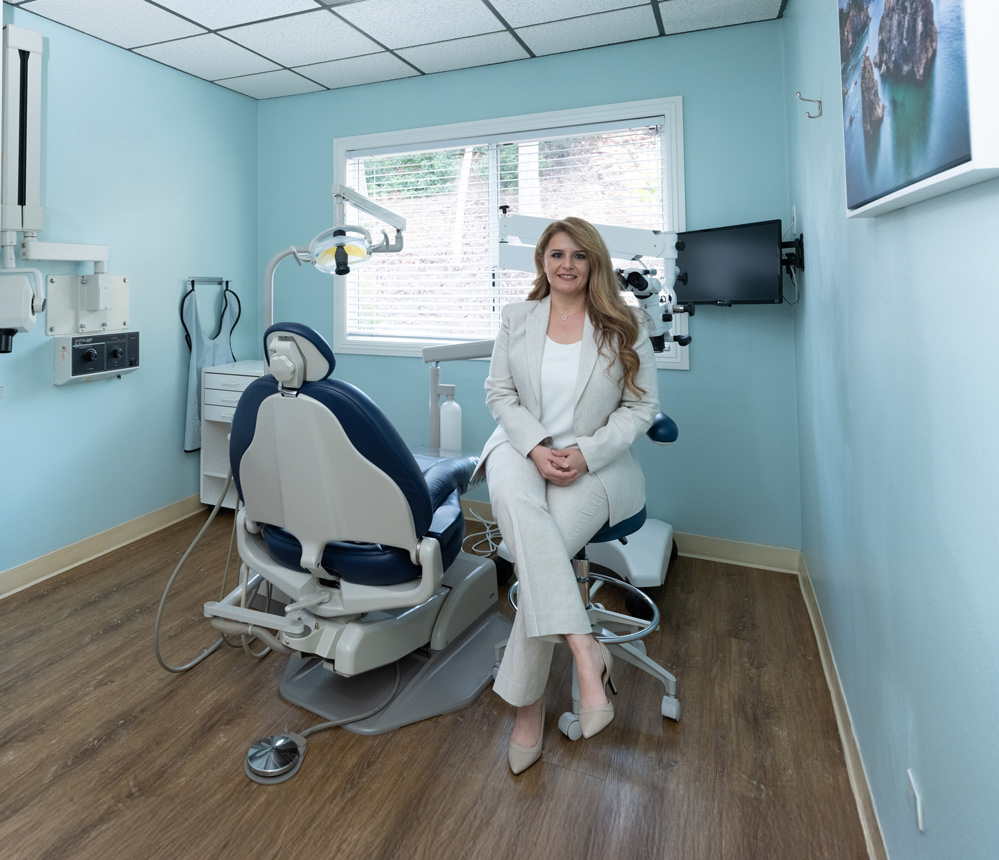
Root Canal Treatment at Delta Root Canal
At Delta Root Canal, root canal therapy is planned around accurate diagnosis, patient comfort, and preservation of natural tooth structure. The process begins with a detailed evaluation of the tooth and surrounding area.
Your visit may include digital radiographs, CBCT imaging when needed, and pulp vitality testing to understand the condition of the tooth. These tools help identify the source of pain, evaluate the root canal anatomy, and guide treatment planning.
Once a diagnosis is made, the endodontist will explain the findings and discuss the recommended treatment approach. The goal is to help you understand what is happening inside the tooth and what steps are needed to treat the problem.
What Happens During Root Canal Treatment?
During root canal treatment, the tooth is numbed for comfort. The endodontist creates a small access opening to reach the root canal space. The canals are then cleaned and disinfected to remove bacteria, inflamed tissue, and necrotic material.
After cleaning and shaping, the canals are filled with an appropriate root canal filling material. A temporary filling may be placed until the tooth is ready for final restoration.
In many cases, a crown or final restoration is needed after root canal treatment to protect the tooth structure and reduce the risk of fracture. Your general dentist usually completes the final restoration after endodontic treatment is finished.
Advanced Technology for Root Canal Treatment
Modern root canal care depends on precision. Delta Root Canal uses advanced technology to support accurate diagnosis and effective treatment.
CBCT imaging provides detailed 3D views of the tooth, roots, bone, and surrounding structures. This can be especially helpful in complex cases where standard 2D X rays may not show the full picture.
Dental operating microscopes allow the endodontist to view the inside of the tooth with high magnification. This helps with locating canals, identifying small anatomical details, and preserving more natural tooth structure.
GentleWave technology uses multisonic sound waves and fluid dynamics to help clean and disinfect complex root canal anatomy. This technology is designed to reach areas that may be difficult to access with traditional instruments alone.
More about Root Canal Treatment
Root Canal Treatment in Mission Viejo and Nearby Areas
Delta Root Canal serves patients in Mission Viejo and surrounding Orange County communities. Patients may be referred by their general dentist, but a referral is not always required. If you are experiencing tooth pain, sensitivity, swelling, or have been advised that you may need a root canal, you can contact the office to discuss your situation and schedule an evaluation.
FAQs | Root Canal Treatment
Summary: Root canal treatment is an endodontic procedure that removes infection or inflammation from inside a tooth to help preserve the natural tooth.
Full answer: Root canal treatment focuses on the inner part of the tooth, known as the pulp and root canal system. When this area becomes inflamed, infected, or necrotic, the endodontist cleans and disinfects the canals before filling them. The goal is to relieve discomfort, remove bacteria, and help save the natural tooth instead of removing it.
Summary: A root canal may be needed when the pulp inside the tooth becomes inflamed, infected, damaged, or necrotic.
Full answer: Root canal treatment may be recommended for teeth affected by deep decay, cracks, trauma, temperature sensitivity, infection, pain when biting, or necrotic pulp. A proper diagnosis is needed because tooth pain can have different causes. An endodontic evaluation helps determine whether root canal therapy is the right treatment.
Summary: Modern root canal treatment is designed to be comfortable (painless) and is often similar to receiving a dental filling.
Full answer: Root canal treatment is performed with local anesthesia to keep the tooth numb during the procedure. Many patients find the appointment more comfortable than expected. The purpose of treatment is to remove the source of pain caused by infection or inflammation inside the tooth.
Summary: Possible signs include lingering sensitivity, toothache, swelling, pain when biting, or a darkened tooth.
Full answer: A tooth may need root canal treatment if you have pain when chewing, lingering hot or cold sensitivity, swelling near the gum, tenderness to touch, a darkened tooth, or signs of infection on dental imaging. Some teeth with pulp problems may not cause strong symptoms, so testing and imaging are important for diagnosis.
Summary: Root canal treatment is designed to help preserve a natural tooth that might otherwise need extraction.
Full answer: When the inside of a tooth is infected or inflamed, root canal therapy can remove bacteria and damaged tissue from the canal system. By treating the source of the problem, the procedure can help preserve the natural tooth, maintain chewing function, and support long-term oral health.
Summary: The tooth is numbed, the canal space is cleaned and disinfected, and the root canals are filled.
Full answer: During root canal treatment, the endodontist accesses the inside of the tooth, removes bacteria and affected tissue, cleans and shapes the canals, and fills the canal space. A temporary filling may be placed until the tooth receives its final restoration.
Summary: Many teeth need a crown or final restoration after root canal treatment to protect the remaining tooth structure.
Full answer: After root canal therapy, the treated tooth often needs a final restoration, such as a crown, especially if the tooth has lost structure from decay, fracture, or previous dental work. The final restoration helps protect the tooth and support long-term function.
Summary: A properly treated and restored tooth can last many years with good oral hygiene and regular dental care.
Full answer: The long-term success of a root canal-treated tooth depends on the condition of the tooth, quality of treatment, final restoration, oral hygiene, and routine dental visits. Completing the recommended final restoration is an important part of protecting the tooth after treatment.
Summary: A referral is common, but patients may contact Delta Root Canal directly to discuss their symptoms.
Full answer: Many patients are referred by their general dentist for specialized endodontic care. However, a referral is not always required. If you have tooth pain, swelling, sensitivity, or were told you may need a root canal, you can contact Delta Root Canal to ask about scheduling an evaluation.
Summary: Delta Root Canal provides specialized root canal treatment in Mission Viejo, CA.
Full answer: Delta Root Canal is an endodontic specialty practice located in Mission Viejo, CA. The practice provides root canal treatment and other endodontic services using advanced diagnostic tools, microscope-enhanced care, and modern technology focused on preserving natural teeth.