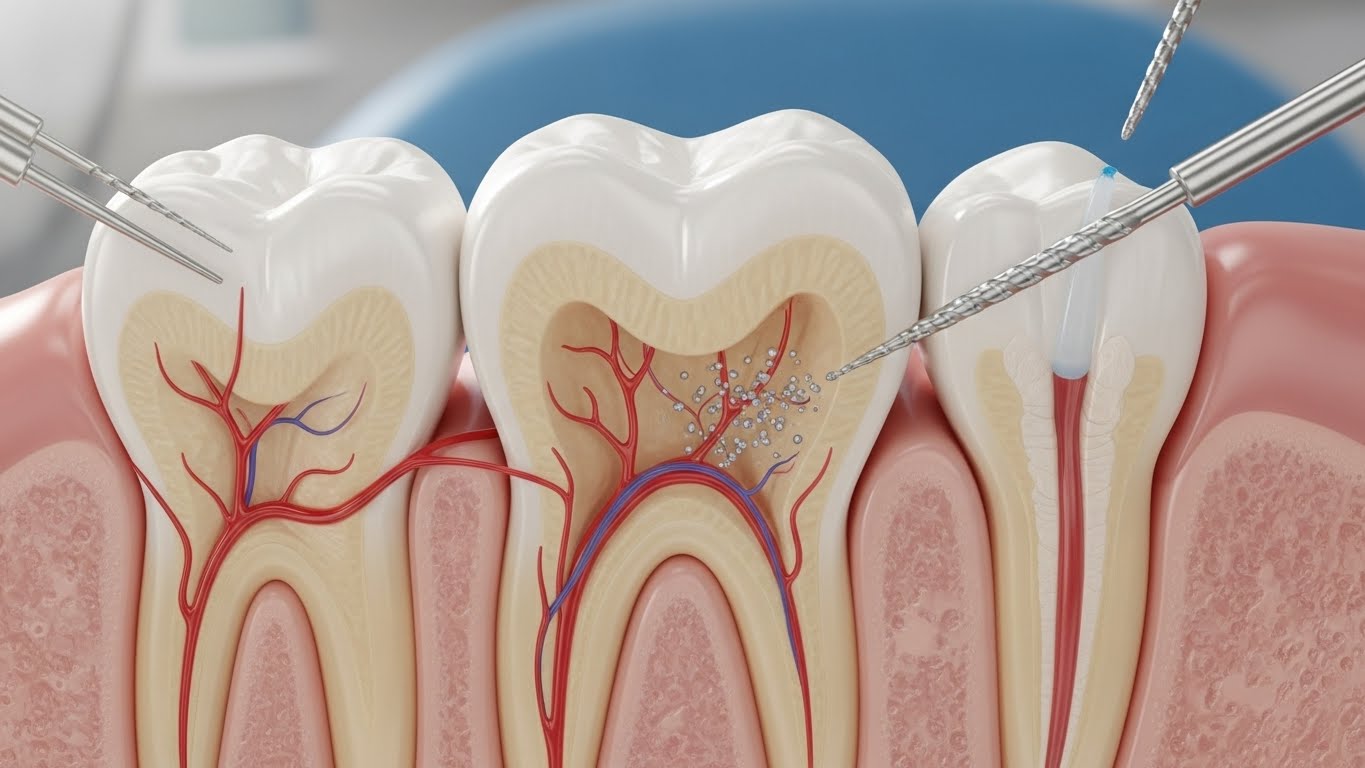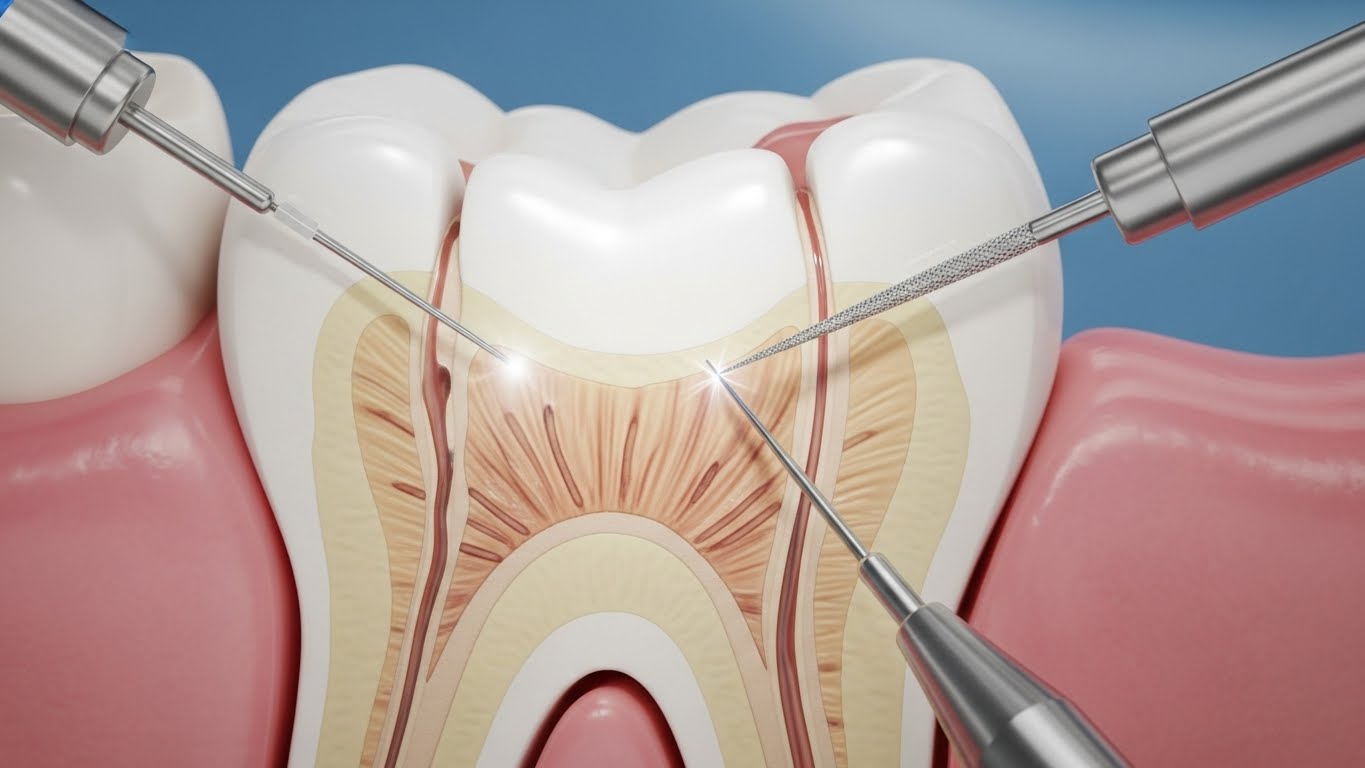
A trusted specialty dental experience begins with confidence in the person leading your care. Patients today are looking for more than credentials alone. They want a specialist who combines advanced education, strong professional standards, and a calm, respectful approach to communication.
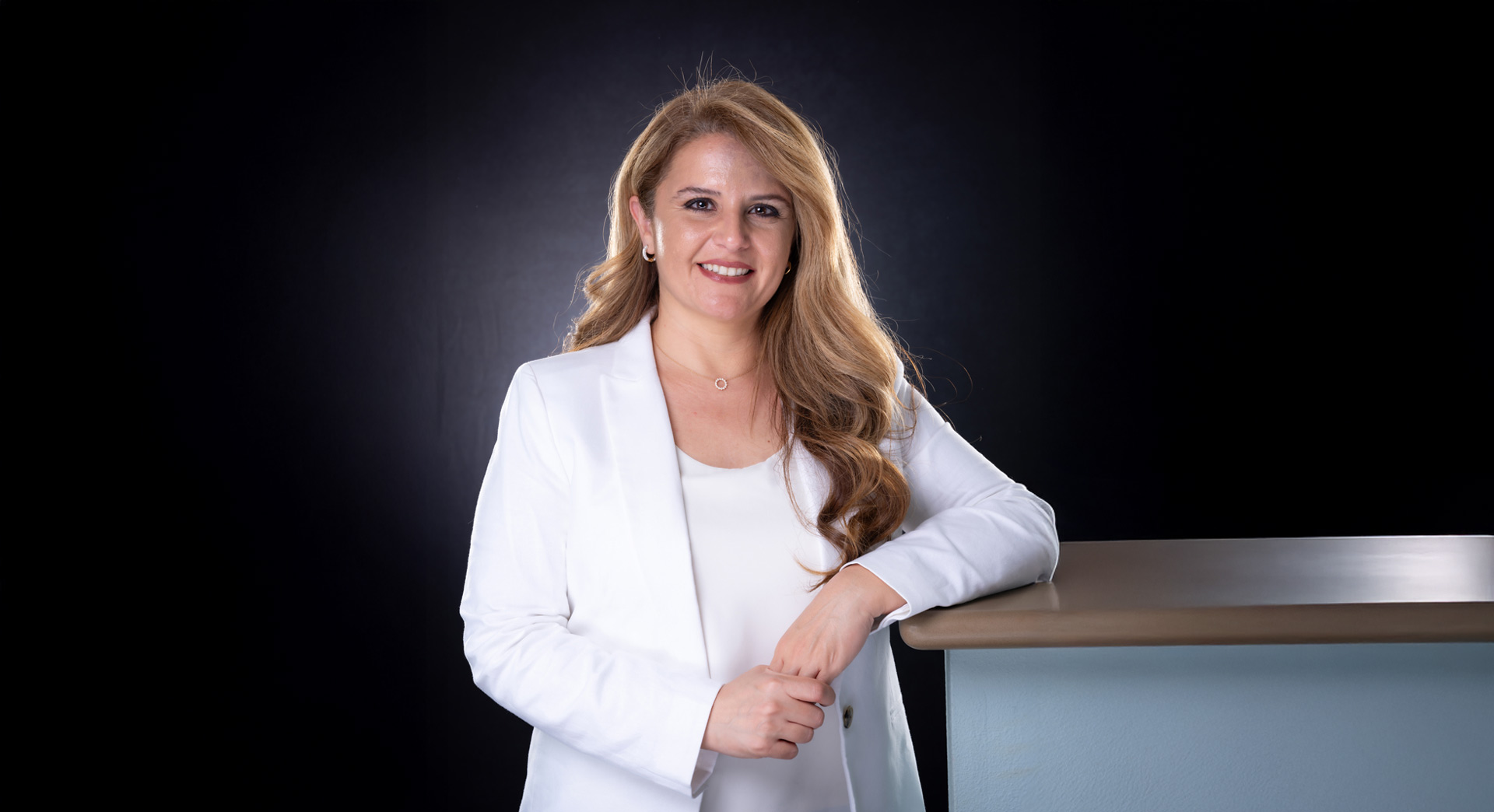
Dr. Roshanak Momen is recognized for the professionalism and detail-oriented mindset that patients often associate with high-quality specialty care. Her background reflects years of focused training, an academic foundation rooted in Science in Dentistry, and active involvement in respected professional organizations. Together, these factors form a profile that speaks to modern endodontics: precise, research-informed, and centered around patient trust.
Who Is Dr. Roshanak Momen?
A clinician known for precision and professionalism
Dr. Roshanak Momen is a specialty dental provider whose professional identity is shaped by advanced training, academic accomplishment, and a patient-first philosophy. In a specialty-focused environment, small details matter: careful evaluation, clear communication, and a steady approach that helps patients feel informed rather than overwhelmed.
Many patients describe their ideal specialist as someone who takes time to explain, listens carefully, and creates an experience that feels organized and reassuring. This is where Dr. Roshanak Momen’s professional style stands out. Her work reflects a focus on clarity, thoroughness, and careful planning, qualities that support trust at every stage of a patient’s visit.
Why patients value specialist-level experience
When patients seek an endodontic specialist, they are often navigating uncertainty and questions. Even without understanding every technical detail of dentistry, most people know what they want: confidence, professionalism, and an environment where they feel taken seriously.
Specialty-focused dentistry brings a different level of concentration and depth. The benefit for patients is not simply that the practice is specialized, but that it operates with systems and standards built around that specialty every day. When care is designed around a specific discipline, patients typically experience better continuity, smoother coordination, and a clearer process from start to finish.
Education and Academic Foundations
Science in Dentistry: building a strong clinical foundation
A meaningful dental career often begins with more than clinical skill. It begins with an academic mindset. Dr. Roshanak Momen’s background in Science in Dentistry reflects a commitment to structured learning and a deep understanding of the scientific principles that support modern dental care.
Science in Dentistry is not simply a phrase. It signals a way of thinking that values research, evidence-based standards, and careful decision-making. In practical terms, this means a professional approach that leans on established knowledge, not guess work. It also highlights the importance of continuous learning, because dentistry continues to evolve with new studies, improved materials, and refined methods.
For patients, the takeaway is straightforward: a strong academic foundation supports thoughtful, informed care, and it helps define the professionalism behind every interaction.
How advanced education shapes decision-making
Advanced education trains providers to think carefully, communicate clearly, and operate with consistency. It also builds the habit of documenting, reviewing, and considering the details that influence quality. This approach supports a patient experience where questions are welcomed, discussions are clear, and expectations are handled with professionalism.
Specialty education also emphasizes precision. In dentistry, precision often means having the discipline to take the time needed, respect process, and never rush steps that should be handled carefully. That professional mindset can be felt in everything from the environment of the practice to the tone of patient conversations.
Advanced training and credentials
Patients often see credentials but may not always know what they represent. Dr. Roshanak Momen DDS, MSD reflects an educational and professional path that includes the completion of a Doctor of Dental Surgery degree and advanced specialty training at the graduate level.
Roshanak Momen DDS, MSD represents a profile grounded in extended education and specialization, which matters because it reflects years of structured learning, examination, and professional development. While patients do not need to understand every academic detail, credentials are still meaningful because they show a commitment to advanced preparation and a long-term dedication to the profession.
Professional Recognition and Specialist Commitment
Board-eligible endodontist: what it means and why it matters
The phrase board-eligible endodontist often appears in professional biographies, and it carries an important meaning. In general terms, being board-eligible indicates that a provider has completed specialty training and is qualified to pursue board certification through the recognized professional pathway within their field.
For patients, this is significant because it signals advanced specialization and professional accountability. It suggests that the provider has committed to meeting rigorous standards and participating in a professional system that values excellence, continuing evaluation, and ongoing development.
A board-eligible endodontist typically represents a specialist who has undertaken advanced training and is aligned with the highest professional expectations of the specialty.
ADA Member: commitment to ethics and professional standards
Membership in the American Dental Association often reflects a professional commitment to ethics, integrity, and the standards expected of dental providers. As an ADA Member, Dr. Roshanak Momen is connected to a broader professional organization that emphasizes ongoing education, professional conduct, and patient-focused values.
For patients, professional memberships can serve as a trust signal. While membership alone is not the whole story, it shows that the provider is engaged in the dental community and chooses to align with professional codes and expectations.
This connection matters because dental care is not only about technical skill. It is also about professional responsibility, transparency, and respect for patient experience.
AAE Specialist Member: staying connected to the specialty community
The American Association of Endodontists is a leading organization within the specialty, and being an AAE Specialist Member reflects a clear professional identity within endodontics. It also suggests engagement with specialty-specific education, resources, and community standards.
AAE Specialist Member status often matters to patients because it reflects dedication to the specialty as a long-term professional focus. It is also associated with continued learning, keeping up with best practices, and staying connected to what is evolving within the specialty.
In modern dentistry, the best providers do not operate in isolation. They stay informed, stay connected, and stay committed to improvement. Professional membership supports that culture.
Patient-Centered Philosophy and Communication
Clear communication and a calm clinical environment
One of the most important aspects of any specialty practice is how it communicates. Patients may arrive with concerns, hesitation, or anxiety, and it is the responsibility of the team and provider to create an experience that feels controlled, respectful, and clear.
Dr. Roshanak Momen’s approach reflects a commitment to communication that feels calm and organized. A patient-centered environment is not only about friendliness. It is about transparency, structured explanations, and the ability to guide patients through what to expect without making them feel rushed.
This matters because in a specialty setting, patients often want reassurance through clarity. When information is delivered in a respectful way, trust grows naturally.
Respect for patient concerns, time, and comfort
Professionalism includes respecting the patient as a person, not a case. That includes giving space for questions, acknowledging concerns, and ensuring the patient feels heard.
Many patients value a specialist who does not use overly technical language. They want straightforward explanations that make sense. They want to understand what is happening and why, even if the details are complex.
A patient-first culture also respects time. Clear scheduling, coordinated communication, and consistency in process often shape how patients feel about their care. These “non-clinical” factors strongly influence trust, and they are often the difference between a stressful experience and a comfortable one.
The value of informed decision support
Patients appreciate when choices and expectations are discussed openly, without pressure. Informed decision support means the patient is given the information needed to understand what is happening and feels supported while making decisions.
This includes reviewing the situation, discussing possible next steps in a general sense, and answering questions clearly. It also means setting expectations honestly and respectfully. When patients feel they are part of the conversation, the entire experience becomes smoother and more trusting.
Technology, Precision, and Modern Standards in Endodontics
How modern dentistry supports accuracy and confidence
Modern dentistry has evolved dramatically in recent decades, and specialty practices typically incorporate systems that support precision and consistency. Even for patients who are not familiar with dental technology, they often recognize the difference when a practice uses modern tools and workflows.
Technology supports better documentation, clearer evaluation, and more organized care. Digital systems can help streamline scheduling, communication, and coordination, while modern diagnostic tools support clearer assessment and planning.
A practice that invests in modern standards often reflects a broader philosophy: quality, organization, and a commitment to delivering professional-level care in a structured way.
Consistency, sterility standards, and attention to detail
Patients often judge a clinic by its atmosphere before anything else. Cleanliness, professionalism, organization, and process discipline signal how seriously the practice takes quality.
In a specialty environment, attention to detail is not optional. It is built into every part of the workflow. Patients typically feel more confident when a practice operates with clear systems, careful preparation, and a consistent approach from check-in to check-out.
Consistency creates comfort. It reduces uncertainty. And in dental specialty care, reducing uncertainty is one of the most valuable things a provider can offer from the patient’s point of view.
Delta Root Canal and the Community Connection
A practice built on trust, referrals, and consistent experiences
A specialty practice earns its reputation through consistency. Patients talk about how they were treated, how clearly things were explained, and whether the experience felt organized and respectful.
Delta Root Canal reflects a model of specialty care designed around professionalism and structure, where the goal is to make specialty dentistry feel clear and approachable. This is especially important in endodontics, where many patients arrive with concerns and want reassurance that they are in experienced hands.
Trust is built in small moments: how the front desk communicates, how the provider speaks to the patient, and how consistently each step is managed.
Collaborative care and professional partnerships
Specialty dentistry is rarely isolated. It often includes coordination with general dental providers and collaborative communication between offices. Patients benefit from this kind of structured coordination because it reduces confusion and improves continuity.
In a high-standard specialty practice, collaboration is handled professionally and efficiently. Patients should feel that the practice operates as part of a broader network of dental care, with communication that supports smooth transitions and consistent information.
Choosing an Endodontic Specialist: What Patients Should Look For
Credentials and continuing education
Patients do not need to be experts in dentistry to evaluate professionalism. A good starting point is education, credentials, and specialty focus. A profile that includes Dr. Roshanak Momen DDS, MSD combined with a background in Masters of Science in Dentistry, shows a commitment to advanced learning and academic preparation.
Additional indicators include professional engagement, such as being an ADA Member and an AAE Specialist Member. These memberships suggest that the provider values professional standards and remains connected to specialty education and guidelines.
In specialty dentistry, continuing education matters. It reflects a mindset of improvement, and it signals that the provider is committed to staying informed and current.
Communication, transparency, and patient experience
Patients often remember how they were treated more than anything else. A specialist who communicates clearly, listens well, and sets expectations respectfully creates a more positive experience.
Look for signs of a patient-first philosophy. Is information explained in plain language? Are questions welcomed? Does the environment feel calm and professional? These factors matter because they influence trust, and trust is a core part of any specialty dental relationship.
Consistency and professionalism at every visit
A high-quality specialty practice is consistent. The process feels organized. The team feels aligned. The environment reflects attention to detail.
Professionalism is not only about credentials. It is reflected in everyday execution, clear communication, and structured care pathways. Patients benefit when the clinic experience feels stable and predictable, because it reduces uncertainty and builds confidence.
Conclusion: A specialist profile rooted in education and patient trust
Dr. Roshanak Momen represents a modern specialist profile shaped by academic excellence, advanced training, and a professional commitment to endodontics. Her background in Science in Dentistry, combined with the credentials reflected in Roshanak Momen DDS, MSD supports a strong foundation of expertise and precision.
As a board-eligible endodontist, ADA Member, and AAE Specialist Member, Dr. Roshanak Momen aligns with professional standards that value continuous learning, ethical practice, and specialty-focused development. For patients, these are meaningful trust signals, especially when paired with a calm, respectful approach to communication and patient experience.
To learn more about Dr. Roshanak Momen and the philosophy behind Delta Root Canal, visit the About Us page and explore the practice’s commitment to specialty care built on professionalism and patient trust.
FAQs
- Who is Dr. Roshanak Momen?
Dr. Roshanak Momen is a dental specialist with advanced education and a professional focus in endodontics, known for her patient-centered communication style and strong academic foundation. - What does Roshanak Momen DDS, MSD title mean?
Roshanak Momen DDS, MSD indicates that Dr. Momen completed a Doctor of Dental Surgery degree and additional advanced graduate-level education, Masters of Science in Dentistry, as well as extended academic training as a specialist.. - What is a board-eligible endodontist?
A board-eligible endodontist is a specialist who has completed advanced training in endodontics and meets the qualifications to pursue board certification through the specialty’s recognized professional pathway. - Why is a Masters of Science in Dentistry background important?
A Masters of Science in Dentistry foundation reflects a research-informed approach to dentistry that emphasizes evidence-based learning, academic preparation, and structured decision-making. - What does it mean to be an ADA Member?
An ADA Member is part of the American Dental Association, a professional organization associated with ethical standards, continuing education, and professional responsibility in dentistry. - What is an AAE Specialist Member and why does it matter?
An AAE Specialist Member is connected to the American Association of Endodontists, reflecting active engagement in the specialty community, education, and professional development within endodontics. - What should patients expect during a specialist dental visit?
Patients can typically expect a professional environment focused on clear communication, structured workflows, and a respectful approach to answering questions about teeth, pain and infection as well as treatment of teeth if indicated. - How does Dr. Roshanak Momen prioritize patient communication?
Dr. Roshanak Momen emphasizes clarity, transparency, and calm communication so patients feel informed, respected, and supported throughout their visit experience. - What qualities should you look for in an endodontic specialist?
Patients often look for advanced education, specialty focus, professional memberships, clear communication, organized systems, and an experience that feels respectful and reassuring. - How does continuing education support high standards in dentistry?Continuing education helps dental professionals stay informed about evolving standards, research developments, and modern best practices, supporting a culture of ongoing improvement and professionalism.