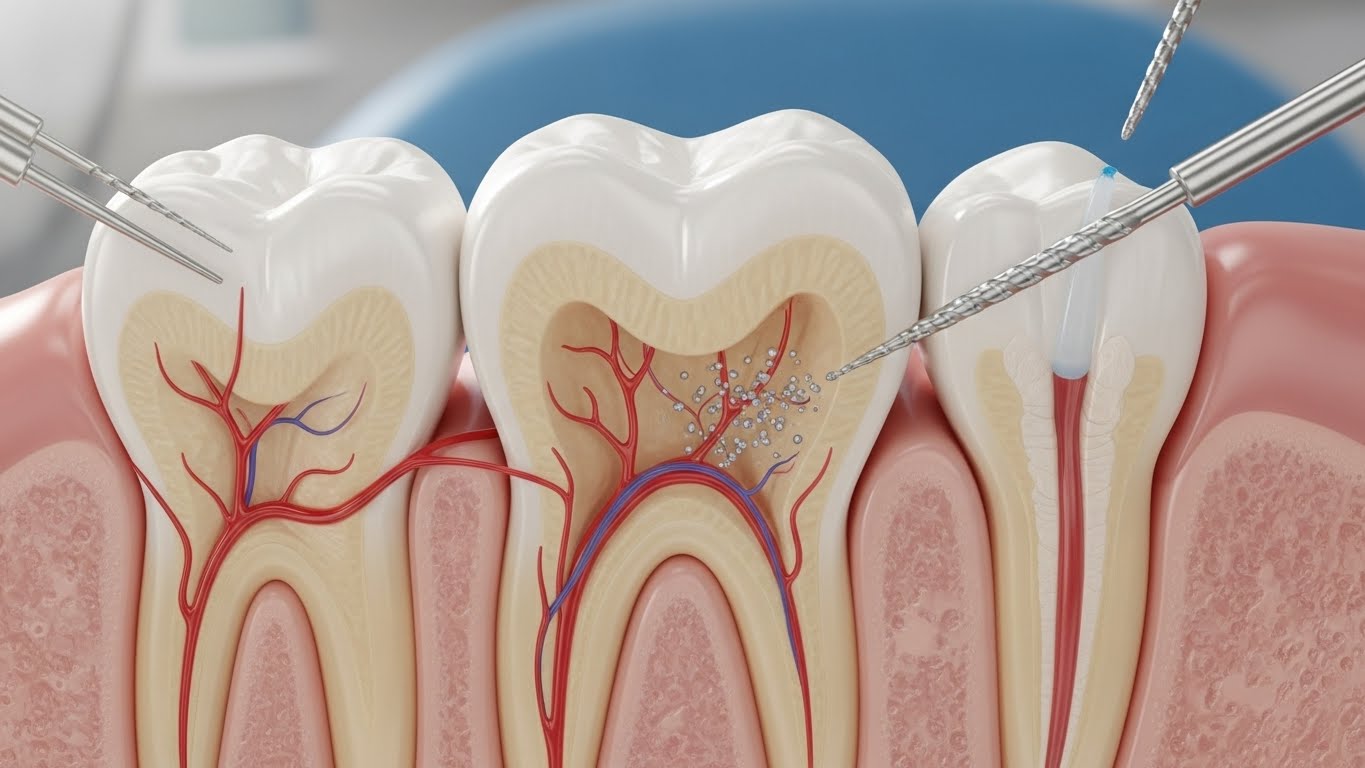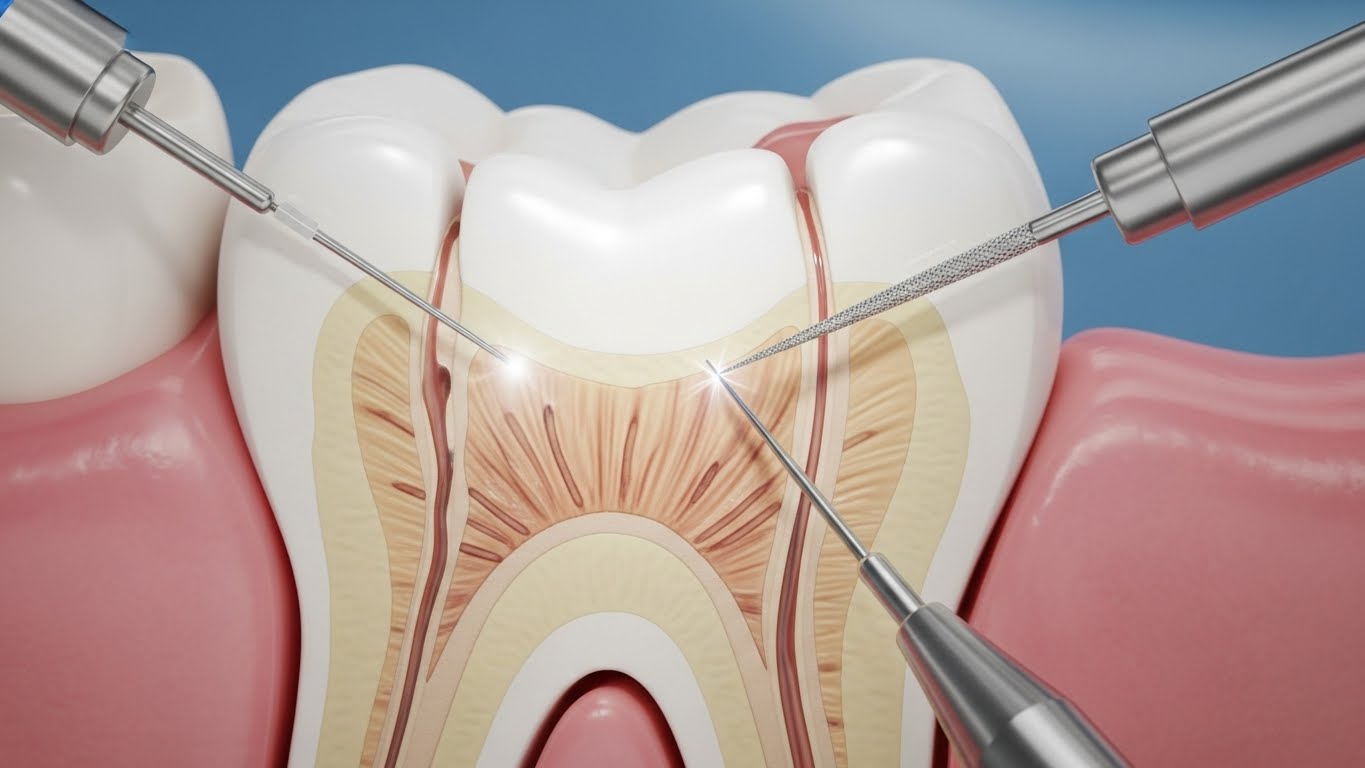
Endodontic care is essential for addressing conditions that affect the inner structure of the tooth, particularly when infection or inflammation reaches the dental pulp. These internal issues can compromise the stability of a tooth if not properly managed, making specialized treatment necessary to restore function and prevent further complications. Endodontic treatments focus on preserving natural teeth by targeting the source of the problem within the root canal system.
Patients experiencing internal tooth discomfort or signs of infection often require precise evaluation and targeted care. Through Endodontic treatments Mission Viejo??, individuals can receive specialized procedures designed to address internal conditions while maintaining the overall structure of the tooth. This approach supports long-term oral health by prioritizing preservation over replacement.
The inner portion of the tooth contains soft tissue known as the pulp, which houses nerves and blood vessels. When bacteria enter this area through decay, cracks, or trauma, it can lead to inflammation or infection. These conditions often develop gradually and may not always present immediate symptoms.
Pulp-related dental conditions require careful evaluation to determine the extent of the issue and the appropriate course of action. Early identification helps prevent the progression of infection and supports more effective treatment outcomes.
Patients who undergo Endodontic treatments in Mission Viejo benefit from procedures that focus on eliminating internal issues while preserving the external structure of the tooth.
Precision-Based Procedures
Modern endodontic care relies on precision to ensure that all affected areas within the tooth are properly addressed. Specialized tools allow practitioners to access the root canal system with greater accuracy, reducing the likelihood of incomplete treatment.
Microscopic endodontic techniques provide enhanced visibility, allowing for more detailed examination and treatment of internal structures. This level of precision contributes to more consistent and predictable outcomes.
Diagnostic imaging plays a critical role in identifying internal dental conditions. Advanced imaging systems provide detailed views of the tooth structure, helping specialists plan and execute procedures with greater confidence.
Digital dental imaging supports accurate diagnosis and allows for more efficient treatment planning. These tools help ensure that each step of the procedure is performed with a clear understanding of the underlying condition.
Patients receiving care through Endodontic treatments in Mission Viejo benefit from these technological advancements, which enhance both precision and efficiency.
When infection reaches the dental pulp, it must be removed to prevent further damage. This involves accessing the inner chamber of the tooth, eliminating infected tissue, and disinfecting the area.
Internal infection management is a key component of endodontic care. Proper treatment helps prevent the spread of infection and supports the preservation of the tooth.
After the infected tissue is removed, the internal space of the tooth is sealed to prevent reinfection. This step is essential for maintaining the integrity of the tooth and ensuring long-term stability.
Sealing the tooth helps restore its function while protecting it from future complications. Patients who receive Endodontic treatments in Mission Viejo benefit from procedures designed to support durability and performance.
Providing a structured and supportive experience is an important aspect of endodontic care. Patients benefit from clear communication and a detailed explanation of each step involved in the treatment process.
A patient-centered approach focuses on ensuring comfort while maintaining precision in every procedure. This helps individuals feel more confident about their care and encourages consistent follow-up when necessary.
Endodontic treatments play a vital role in maintaining long-term oral health by preserving natural teeth. Keeping the original tooth structure helps support proper alignment, chewing function, and overall stability within the dental arch.
When internal conditions are treated effectively, patients are less likely to require more extensive procedures in the future. This contributes to improved long-term outcomes and overall oral health.
Endodontic procedures require specialized training and experience to ensure that treatments are performed accurately and efficiently. Practitioners who focus on internal tooth care are equipped to handle complex cases and deliver consistent results.
By combining advanced techniques with a structured approach, endodontic specialists provide care that supports both immediate and long-term dental health. This level of expertise is essential for achieving successful outcomes in complex dental cases.
FAQ
- What are endodontic treatments?
Procedures that treat the inside of the tooth, pulp, and root canal system. - Why are these treatments needed?
To remove infection and preserve the natural tooth. - What causes pulp infection?
Decay, cracks, or trauma that allow bacteria to enter the tooth. - What is a root canal procedure?
A treatment that removes infected tissue and seals the tooth. - Are these treatments focused on preservation?
Yes, they aim to maintain the natural tooth structure. - How does imaging help in treatment?
It allows for accurate diagnosis and precise planning. - What happens after treatment?
The tooth is sealed to prevent reinfection and restore function. - Can early detection improve results?
Yes, it helps prevent more severe complications. - Who performs endodontic treatments?
Specialists trained in internal tooth care. - What is the main goal of these procedures?
To preserve the tooth and maintain long-term oral health.