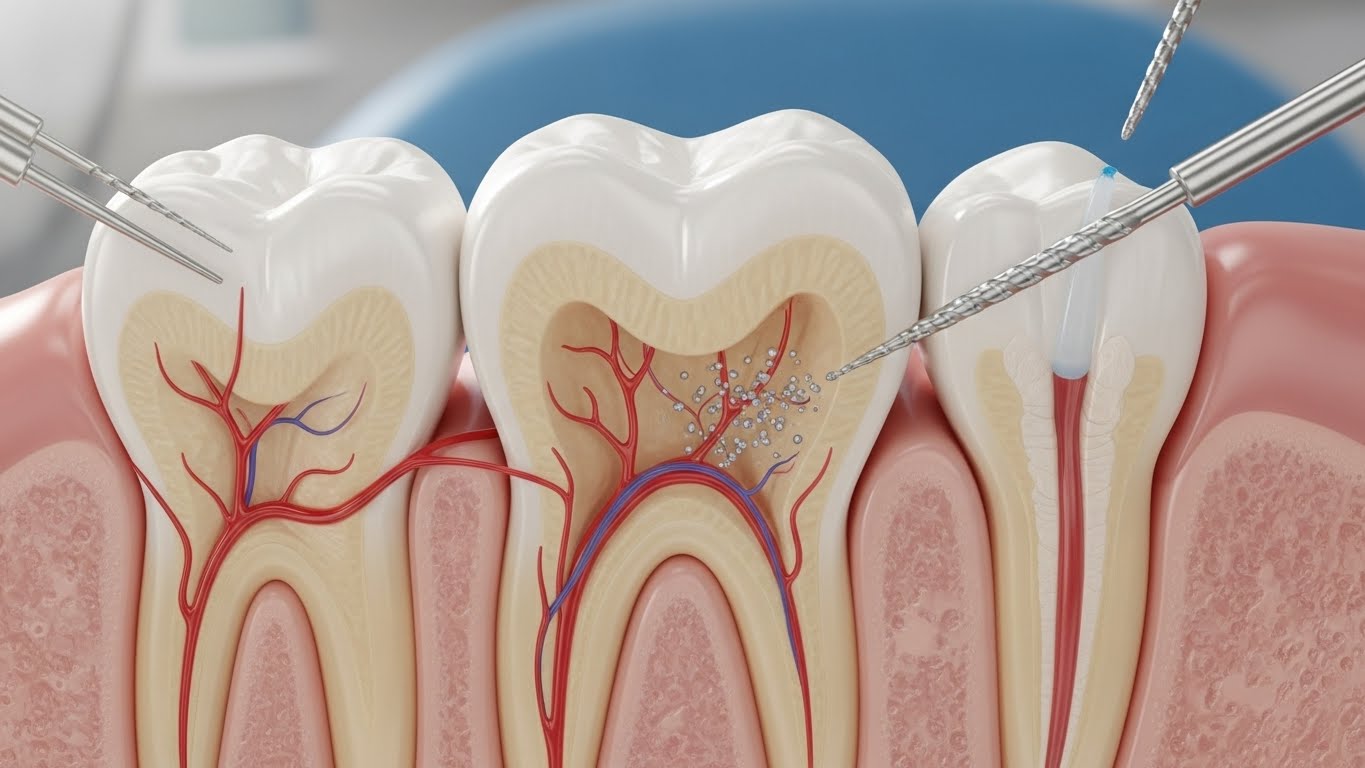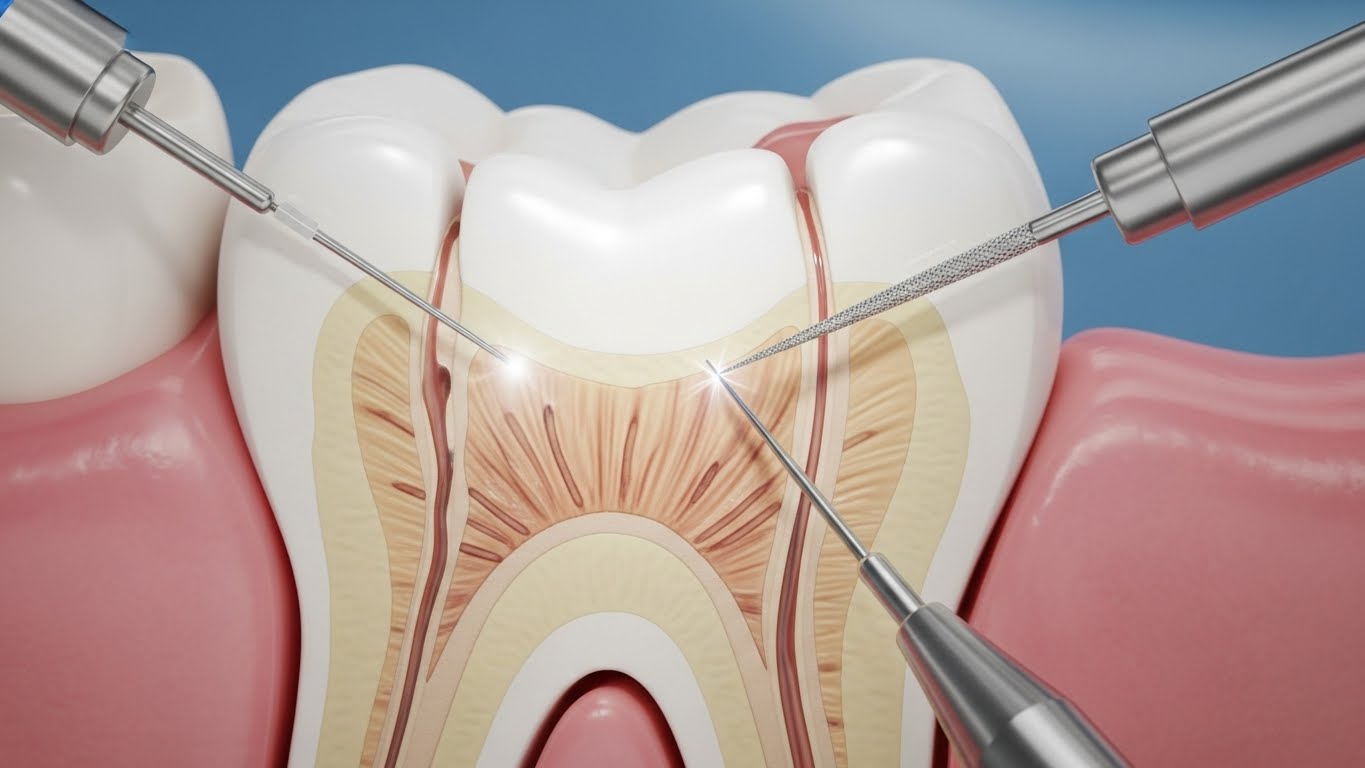
When tooth pain, pressure, swelling, or lingering sensitivity begins to interfere with daily comfort, the problem may be deeper than the visible surface of the tooth. Endodontic care focuses on diagnosing and treating concerns inside the tooth, including the pulp, root canal system, and surrounding root structures. For patients searching for an Endodontist in Mission Viejo, specialized care can provide a clearer path toward comfort, function, and natural tooth preservation.
An endodontic specialist is trained to manage complex tooth concerns that often involve infection, inflammation, trauma, cracks, or previous dental treatment. Instead of focusing only on the outer tooth structure, endodontics looks closely at what is happening internally. This makes accurate diagnosis especially important when symptoms are difficult to explain or when a tooth may be at risk.
Why Endodontic Care Matters
Endodontic treatment is often recommended when the inner part of a tooth becomes inflamed or infected due to deep decay, cracks, injury, or repeated dental procedures. Symptoms may include toothache, sensitivity to temperature, discomfort when biting, swelling, or pain that does not go away. Because these symptoms can have different causes, an evaluation by an endodontic specialist can help identify the source of the issue.
Delta Root Canal focuses on advanced endodontic services designed to preserve natural teeth and restore oral health. Their treatment options include root canal treatment, root canal retreatment, root end surgery, cracked tooth evaluation, trauma care, vital pulp therapy, pulp regeneration, resorption repair, internal bleaching, and emergency care. This range of specialty services allows patients to receive focused attention for different types of tooth-related concerns.
Preserving Natural Teeth Whenever Possible
Natural tooth preservation is one of the most important goals of endodontic care. A natural tooth supports chewing, speaking, bite balance, and overall smile stability. When a tooth can be treated instead of removed, patients may be able to maintain more of their original dental structure and function.
Root canal treatment is one of the most common ways endodontists help preserve teeth. The treatment removes inflammation, bacteria, and damaged tissue from the root canal system so the tooth can remain functional. For many patients, this approach may help relieve discomfort while reducing the need for extraction.
Advanced Diagnosis and Patient Comfort
A modern endodontic office uses technology and clinical experience to evaluate teeth more precisely. Digital imaging and detailed examination can help the specialist understand the tooth’s root structure, surrounding bone, and source of discomfort. This is especially valuable for complex cases such as cracked teeth, retreatments, dental trauma, or persistent symptoms after previous care.
Patients are often nervous when they hear the words root canal treatment, but modern endodontic care is designed to be comfortable and clearly explained. A patient-centered approach helps reduce uncertainty by reviewing findings, discussing options, and helping patients understand the reason for treatment. When communication is calm and transparent, the experience can feel more manageable.
When to See an Endodontist
Patients may be referred to an endodontist by a general dentist, but some people also seek specialty care when symptoms become difficult to ignore. Persistent tooth pain, sensitivity that lingers, discomfort when chewing, swelling near a tooth, or a tooth injury may all require further evaluation. A cracked tooth can also create pain when biting or sensitivity to temperature, even if the crack is not easy to see.
Mission Viejo root canal care can be helpful for patients who need focused diagnosis and treatment planning. Whether the concern involves a new toothache, a previously treated tooth, or an emergency situation, an endodontic specialist can evaluate the problem and recommend the next appropriate step.
Specialized Support for Long Term Dental Health
Choosing an Endodontist in Mission Viejo is about more than receiving a single procedure. It is about getting specialized support for the health, comfort, and stability of the natural tooth. With advanced training, diagnostic tools, and a focus on preserving teeth, endodontic care can help patients move from uncertainty toward a better understanding of their dental condition.
For patients dealing with tooth pain treatment, infection, cracks, trauma, or root canal concerns, specialty care can make the process feel more focused and reassuring. The right endodontic team helps patients feel informed while supporting long term dental function and comfort.
FAQ
- What does an endodontist do?
An endodontist diagnoses and treats problems inside the tooth, including pulp inflammation, infection, root canal concerns, cracked teeth, trauma, and retreatment needs. - When should I see an endodontist?
You may need an endodontist if you have persistent tooth pain, swelling, sensitivity, pain when biting, dental trauma, or a tooth that may need root canal treatment. - Is root canal treatment the main service endodontists provide?
Root canal treatment is a common endodontic service, but endodontists also provide retreatment, root end surgery, cracked tooth care, trauma care, and other specialty treatments. - Why is natural tooth preservation important?
Preserving a natural tooth helps support chewing, bite balance, speech, smile stability, and long term oral function whenever treatment is appropriate. - Can an endodontist help with cracked teeth?
Yes. Endodontists evaluate cracked teeth to understand whether the crack affects the pulp or root structure and whether specialty care may be needed. - What is root canal retreatment?
Root canal retreatment may be considered when a previously treated tooth develops new symptoms, reinfection, or changes around the root that require additional care. - Do dental injuries require endodontic care?
Sometimes. Dental trauma can affect the pulp or root of a tooth, so evaluation may be needed to determine whether endodontic treatment is appropriate. - Is endodontic care only for severe tooth pain?
No. Some patients have strong pain, while others have mild symptoms, lingering sensitivity, swelling, or findings discovered during a dental exam. - Can emergency tooth pain be evaluated by an endodontist?
Yes. Endodontic offices may provide emergency care for toothache, infection, trauma, or root canal-related concerns when prompt evaluation is needed. - What should patients expect from specialty endodontic care?
Patients can expect focused evaluation, clear communication, advanced imaging when needed, and treatment planning centered on comfort and natural tooth preservation.