Getting a root canal can bring considerable relief, especially if you have been dealing with persistent tooth pain, sensitivity, or an infection. However, once the procedure is complete, you may have questions about what happens next. Is some soreness normal? When can you eat again? How long does recovery take? And does the treated tooth need a crown?
Knowing what should you expect after root canal treatment can make recovery less stressful and help you avoid problems while the tooth heals. Although most patients return to their usual routines relatively quickly, the treated area needs some attention, particularly during the first few days.
In this guide, we explain common recovery symptoms, eating recommendations, dental care instructions, warning signs, and the importance of completing your final tooth restoration.
What Should You Expect After Root Canal Treatment?
After root canal treatment, it is normal to experience mild tenderness, soreness around the treated tooth, or sensitivity when biting. These symptoms usually improve over several days as the surrounding tissues recover.
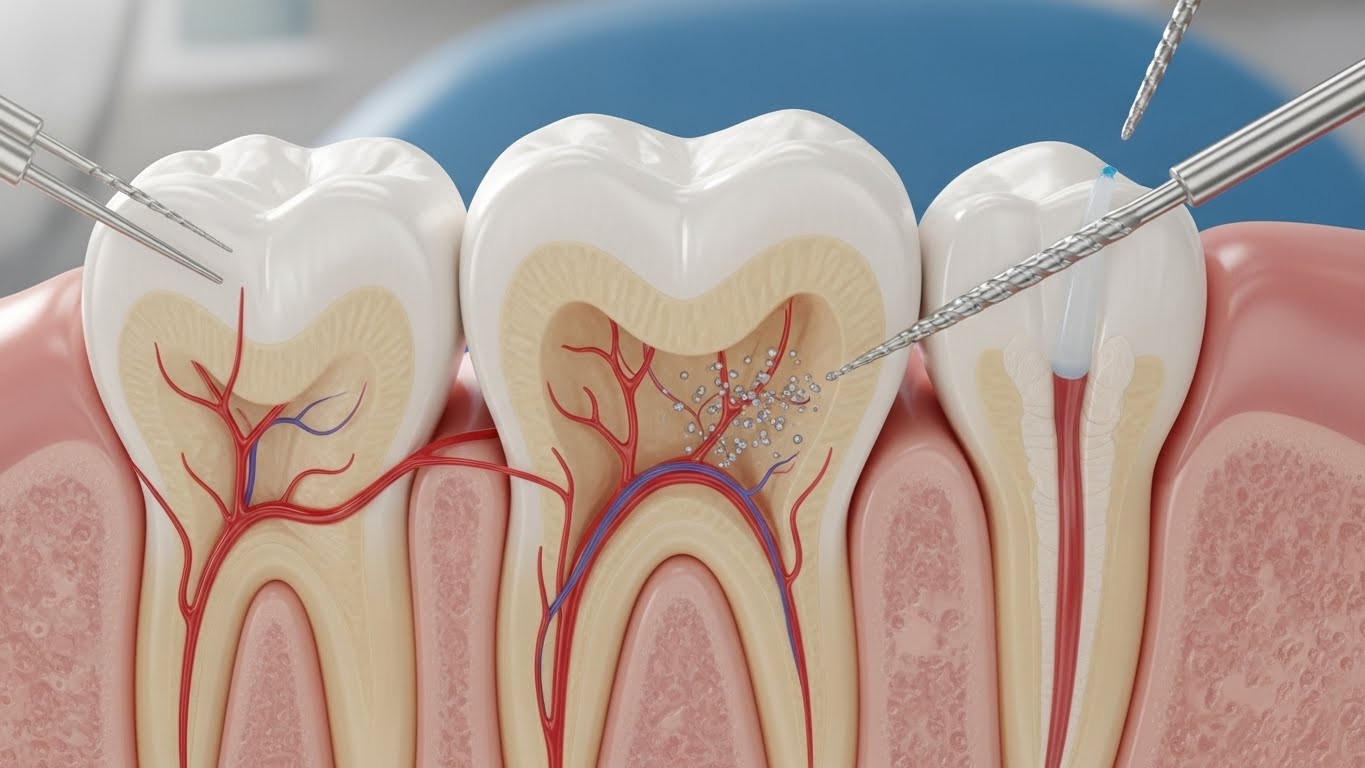
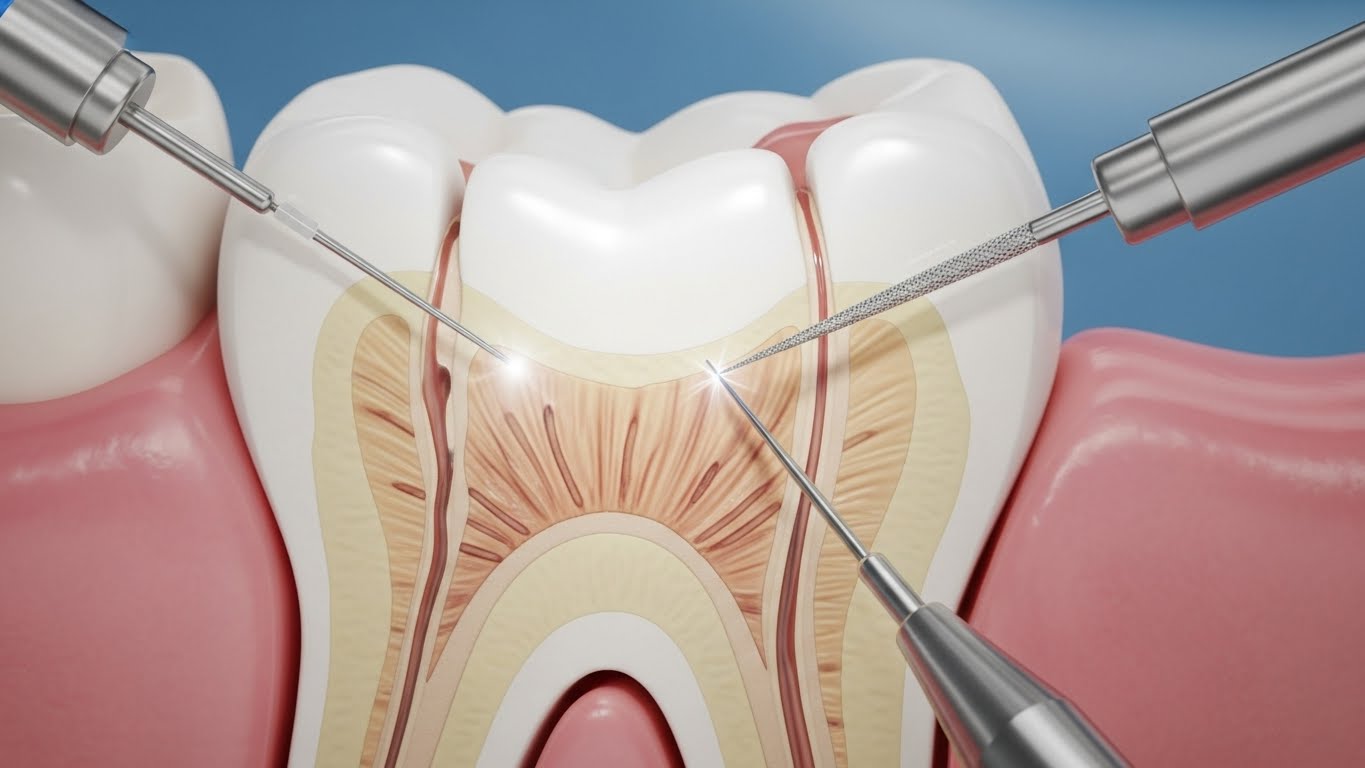
The procedure removes infected or inflamed pulp from inside the tooth, cleans the root canal system, and seals the canals. However, the tissues surrounding the root may remain irritated for a short time, especially if the tooth was severely infected or painful before treatment.
Here is what you may notice after your appointment:
- Mild soreness around the treated tooth.
- Sensitivity when chewing or applying pressure.
- Slight tenderness in the surrounding gums.
- Temporary jaw discomfort from keeping your mouth open during treatment.
- A different sensation when biting down on the treated tooth.
These symptoms do not necessarily mean the root canal has failed. In most cases, they are part of the normal recovery process.
How Long Does It Take to Recover After a Root Canal?
Most patients notice a significant improvement within three to seven days. However, recovery varies depending on the original infection, the condition of the tooth, the complexity of the root canal procedure, and the individual’s healing response.
A general recovery timeline looks like this:
During the First 24 Hours
The local anesthesia may leave your lips, cheeks, or tongue feeling numb for a few hours. Avoid chewing until the numbness wears off because you could accidentally bite your cheek or tongue.
Some tenderness may develop once the anesthesia wears off. Follow the medication instructions provided by your dentist or endodontist.
Days 2 to 3
You may notice mild discomfort when touching the treated tooth or chewing near it. This is particularly common if the tooth had significant inflammation before the root canal treatment.
The soreness should gradually become easier to manage rather than getting worse.
Days 4 to 7
Many patients feel considerably more comfortable during this period. Normal activities can usually continue, although you should still protect the treated tooth until its permanent restoration is completed.
After the First Week
If discomfort continues, contact your dental specialist for advice. Some cases take longer to settle, but persistent or worsening symptoms should be evaluated rather than ignored.
Remember that this timeline is a general guide. Your own recovery instructions may differ depending on your treatment.
Is Pain Normal After Root Canal Treatment?
Yes. Mild pain or tenderness after root canal therapy is common, particularly during the first few days.
Although the infected pulp has been removed, the tissues surrounding the root can remain inflamed. The instruments and cleaning process used during the root canal procedure can also temporarily irritate these tissues.
You may experience:
- A dull ache around the treated tooth.
- Mild discomfort when biting.
- Sensitivity when pressure is applied.
- Tenderness in the gum area.
Over-the-counter pain medication, such as acetaminophen or ibuprofen, may help manage discomfort when it is safe for you to take these medicines. Follow your endodontist’s recommendations and the medication label.
Do not increase the dosage or combine medications without professional guidance.
When should pain concern you?
Pain that becomes more severe, does not gradually improve, or returns after initially settling deserves attention. Contact your endodontist if you experience significant discomfort, particularly when it is accompanied by swelling or other unusual symptoms.
What Can You Eat After a Root Canal?
Food choices matter during the initial recovery period. The treated tooth may be tender, and a temporary filling can be more vulnerable to damage than a permanent restoration.
Choose foods that are soft and require minimal chewing, especially during the first day.
Foods You Can Eat
Some suitable options include:
- Yogurt and soft cheese.
- Mashed potatoes.
- Scrambled eggs.
- Oatmeal and soft porridge.
- Well-cooked vegetables.
- Smooth soups that are not too hot.
- Soft pasta.
- Bananas and other soft fruits.
These foods can help you eat comfortably without placing unnecessary pressure on the treated tooth.
Foods You Should Avoid
Until your dentist or endodontist confirms that the tooth is ready for normal chewing, avoid:
- Hard nuts and seeds.
- Ice and hard candies.
- Sticky caramel and chewing gum.
- Tough meat.
- Crunchy chips and crackers.
- Chewy sweets.
- Hard crusts of bread.
Try to chew on the opposite side of your mouth. This is particularly important when a temporary filling has been placed.
Also, wait until the numbness has completely disappeared before eating. This helps prevent accidental injuries to the soft tissues inside your mouth.
How Should You Care for Your Tooth After Root Canal Treatment?
Good oral hygiene remains important after a root canal. You do not need to stop brushing or flossing, but you should be careful around the treated area.
Here are some practical steps to follow.
1. Brush Your Teeth Gently
Continue brushing twice a day with a soft-bristled toothbrush. Clean around the treated tooth carefully without applying excessive pressure.
Keeping the area clean helps prevent plaque buildup and supports overall oral health.
2. Floss Carefully
You can generally continue flossing, but be gentle around the treated tooth, particularly if a temporary restoration is present. Follow any specific instructions provided by your dental specialist.
3. Protect the Temporary Filling
A temporary filling may be placed after the root canal procedure, particularly when treatment requires more than one appointment or the tooth is awaiting its final restoration.
It is important to protect this filling from excessive pressure. Avoid sticky and hard foods, and contact your dental office if the filling comes out or becomes noticeably damaged.
4. Follow Your Medication Instructions
Take prescribed medications exactly as directed. Do not stop, change, or extend a prescribed course without consulting the treating professional.
Not every patient needs antibiotics after root canal treatment. Your endodontist will determine whether medication is appropriate for your particular condition.
Why Do You Need a Crown After Root Canal Treatment?
One of the most important parts of recovery is completing the final restoration.
A root canal removes infected or inflamed pulp from inside the tooth, but it does not automatically restore the tooth’s original strength. Depending on how much natural tooth structure remains, the treated tooth may be more vulnerable to cracking or fracture.
A dental crown is often recommended, especially for back teeth that experience considerable chewing pressure.
A crown covers and protects the remaining tooth structure, helping it function during everyday activities.
The final restoration may involve:
- A dental crown.
- A permanent filling in selected cases.
- A core buildup to support the restoration.
- Other restorative work based on the tooth’s condition.
Your general dentist or endodontist will explain which option is appropriate. Do not delay the recommended restoration, because leaving a treated tooth inadequately protected can increase the risk of fracture and reinfection.
What Are the Warning Signs After a Root Canal?
Most patients recover without major complications. However, knowing which symptoms require attention can help you respond promptly.
Contact your endodontist if you experience:
- Severe or worsening tooth pain.
- Swelling inside or outside the mouth.
- Fever or chills.
- Persistent pressure around the treated tooth.
- A temporary filling or crown that comes out.
- An uneven bite that makes the treated tooth feel higher than the others.
- Symptoms that return after initially improving.
- An allergic reaction to prescribed medication.
A small amount of tenderness is different from increasing pain accompanied by swelling. If you develop facial swelling with difficulty swallowing or breathing, seek emergency medical attention immediately.
Never assume that severe pain or swelling is simply part of the normal root canal recovery process.
Can You Return to Normal Activities After Root Canal Treatment?
In most cases, yes. Many patients return to their regular activities on the same day or the following day, depending on how they feel and whether sedation was used.
However, a few precautions are worth following.
Driving: If your procedure involves only local anesthesia, you can generally resume driving once you feel comfortable. If sedation was used, follow the specific restrictions provided by your dental team.
Exercise: Light activities are usually manageable, but consider taking it easy if you feel uncomfortable or tired. Follow your specialist’s advice about strenuous exercise.
Work: Most people can return to work or their normal daily schedule without a lengthy recovery period.
Smoking: Avoid smoking during recovery if possible. Smoking can interfere with oral healing and is harmful to gum health.
Alcohol: Avoid alcohol if you are taking medication that may interact with it. Check with your dentist or pharmacist before drinking.
The most important thing is to avoid putting unnecessary pressure on the treated tooth until the permanent restoration is complete.
How Do You Know If Your Root Canal Treatment Has Healed?
A reduction in pain, the absence of swelling, and comfortable chewing are encouraging signs. However, feeling better does not always mean the tissues around the root have completely healed.
Your endodontist may recommend a follow-up examination depending on the original diagnosis and treatment.
In some cases, dental X-rays are taken months later to check the healing of the bone surrounding the root. A follow-up radiographic examination around one year may be recommended when there was an infection or lesion before treatment.
Healing is assessed using both clinical symptoms and imaging findings. If the original infection has reduced and the surrounding bone is recovering, these are positive signs.
Regular dental checkups and good oral hygiene also help protect the treated tooth over time.
Why Choose an Experienced Endodontist for Root Canal Care?
Root canal treatment requires careful diagnosis, detailed knowledge of tooth anatomy, and precision during cleaning and sealing. Choosing an experienced endodontist can be particularly helpful when a tooth has complicated root anatomy, a persistent infection, or a history of unsuccessful treatment.
At Delta Root Canal in Mission Viejo, California, Dr. Roshanak Momen, DDS, MSD, provides specialized endodontic care focused on preserving natural teeth.
The practice uses modern diagnostic and treatment technologies, including CBCT imaging, dental operating microscopes, and GentleWave® technology. These tools support detailed evaluation and treatment planning, particularly in complex cases.
Patients also receive guidance about post-treatment care, temporary restorations, and the importance of completing the recommended permanent restoration.
If you have recently undergone a root canal or are experiencing persistent tooth discomfort, visit Delta Root Canal to learn more about available endodontic services and schedule an evaluation.
Final Thoughts
Knowing what to expect after root canal treatment can make the recovery period much easier to manage. Mild soreness, temporary sensitivity, and some discomfort while chewing are common during the first few days. These symptoms should generally improve as the surrounding tissues recover.
Protecting the treated tooth, choosing softer foods, maintaining good oral hygiene, and following your endodontist’s instructions all contribute to a smoother recovery. Just as importantly, make sure you complete the recommended final restoration rather than leaving the tooth protected only by a temporary filling.
If pain becomes severe, swelling develops, or symptoms do not improve, contact your dental specialist. With appropriate aftercare and regular dental follow-up, a properly treated and restored tooth can continue to function for many years.
Frequently Asked Questions
1. What should you expect immediately after root canal treatment?
You may experience mild soreness, tenderness around the treated tooth, or temporary numbness from local anesthesia. These symptoms are generally manageable and improve over the following days. Avoid chewing until the numbness wears off.
2. How many days does pain last after a root canal?
Most patients experience mild discomfort for a few days, with noticeable improvement within three to seven days. Recovery depends on the severity of the original infection and the condition of the surrounding tissues. Persistent or worsening pain should be evaluated.
3. Can I eat normally after a root canal?
You can eat once the numbness has completely worn off, but soft foods are preferable initially. Avoid hard, crunchy, sticky, or chewy foods and do not put unnecessary pressure on the treated tooth until it receives its permanent restoration.
4. Is it normal for a tooth to hurt when biting after a root canal?
Mild tenderness when biting is common during the initial recovery period. However, if the tooth feels significantly higher than the surrounding teeth or biting pain continues, contact your endodontist to check the bite and healing.
5. Do I need a crown after root canal treatment?
Many root canal-treated teeth, particularly molars and premolars, need a dental crown to protect the remaining tooth structure. The exact restoration depends on how much natural tooth structure remains and the location of the treated tooth.
6. Can I brush my teeth after root canal treatment?
Yes. You can generally brush and floss as usual, using a soft-bristled toothbrush and gentle movements around the treated area. Good oral hygiene helps protect the tooth and surrounding gums.
7. What are the signs of a failed root canal?
Persistent or returning pain, swelling, a recurring gum pimple or sinus tract, and an infection that does not resolve may indicate a problem. These symptoms do not automatically mean the tooth needs extraction. An endodontist can evaluate whether retreatment or another procedure may help.
8. When should I contact my dentist after a root canal?
Contact your dental office if you develop severe or worsening pain, swelling, fever, an allergic reaction, or a damaged temporary filling. Seek emergency care if facial swelling affects your breathing or swallowing. Always follow the specific instructions given by your treating specialist.