


Resources

Welcome to the Resources section at Delta Root Canal. Here you will find a growing library of helpful articles and educational guides on endodontic care, root canal treatments, tooth preservation, and post-treatment care. Each article is carefully written to explain in clear, patient-friendly language what common dental conditions mean, why certain procedures are recommended, and how modern endodontic care works to save your natural teeth.

Reading these resources before your visit can make a real difference. When you arrive prepared with a basic understanding of key concepts, for example what a root canal does, what symptoms might point to deeper infection, or why retreatment or crown restoration may be necessary, you will be able to ask informed questions and better understand your options. This empowers you to take an active role in your oral health rather than passively follow recommendations. Patients who enter the consultation informed tend to feel less anxious, more confident, and better equipped to make decisions that suit their personal needs. 

Our resources also demystify misconceptions that many people have about root canals and endodontic treatment. For instance, modern root canal therapy is generally efficient, comfortable, and aimed at preserving your natural tooth rather than extracting it. When you understand this ahead of time, you are less likely to delay necessary care because of fear or misinformation.

Finally, the resources help you sustain long-term oral health. With clear after-care instructions, hygiene tips, and explanations of how to recognize early warning signs, these articles support you in maintaining healthy teeth and gums between appointments. An informed patient is often a healthier patient. 

We encourage you to explore the articles here. The time you spend reading and understanding them before you see us will help you get the most out of your appointment, reduce anxiety, and make choices that protect your smile for years to come.

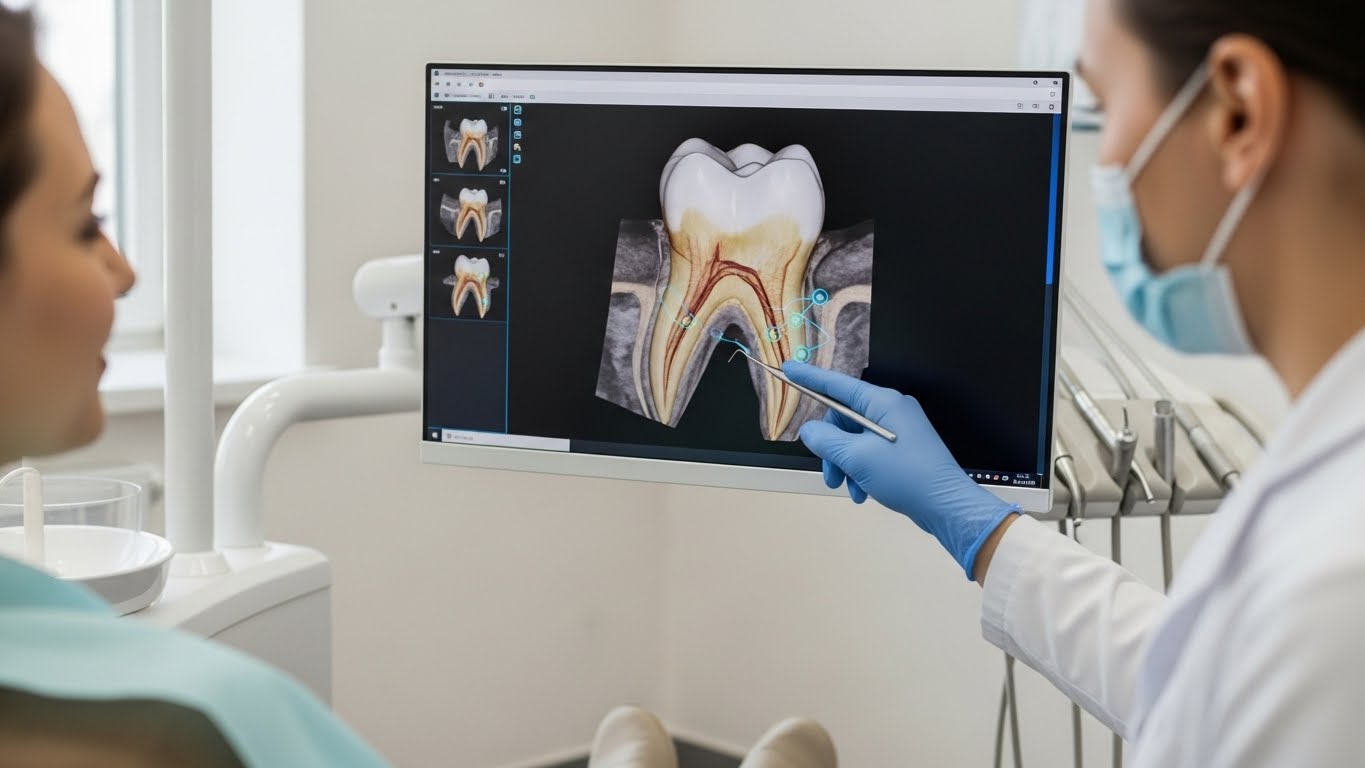
Delta Root Canal is dedicated to providing comprehensive endodontic care focused on preserving natural teeth, relieving pain, and restoring oral health with advanced technology and compassionate treatment. Root canal therapy and related procedures are designed to address infection, inflammation, injury, and structural concerns within the tooth to prevent the need for extraction and support long term dental function. Every patient receives personalized evaluation using modern diagnostic tools, and treatment plans are tailored to individual needs to ensure comfort and successful outcomes. Our team emphasizes the importance of proper post treatment care, including appropriate follow up with restorations such as crowns when necessary, to enhance strength and protect the treated tooth.

We also provide educational resources and guidance on maintaining oral health to help patients prevent future issues and optimize overall dental wellness. Whether you are exploring your first visit, researching treatment options, or seeking information about insurance or financial arrangements, we strive to make every part of your experience clear and supportive. Our practice combines clinical expertise with attentive patient communication to help you feel confident and informed about your care.


  • What is endodontic treatment and when is it needed?

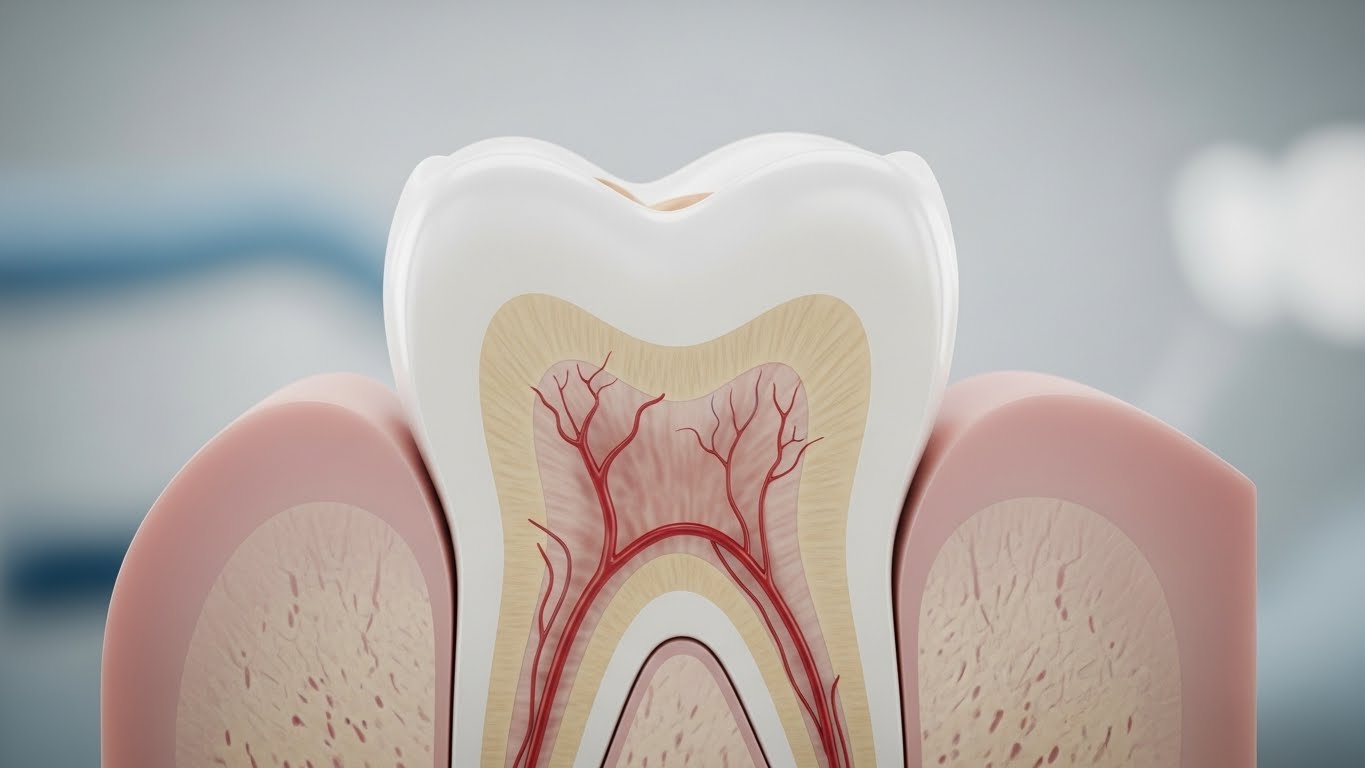
Endodontic treatment focuses on the inside of the tooth, including the pulp and root canals. It is commonly needed when the pulp becomes inflamed or infected due to deep decay, cracks, trauma, or repeated dental procedures. Treating the tooth at this stage helps relieve discomfort and preserve the natural tooth structure.

  • Is a root canal painful?

Modern root canal treatment is designed to be comfortable and efficient. With current techniques and anesthesia, most patients report that the procedure feels similar to receiving a standard filling. The goal of treatment is to eliminate pain caused by infection, not to create it.

  • How long does a treated tooth last?

A tooth that has received proper endodontic treatment and is restored appropriately can last many years. Long term success depends on factors such as oral hygiene, regular dental visits, and completing any recommended restorative work after treatment.

  • Do I need a referral to see an endodontic specialist?

In many cases, patients are referred by their general dentist, but referrals are not always required. If you are experiencing tooth pain or have been advised that you may need specialized care, you can contact the practice directly to discuss your situation and next steps.

Accessibility