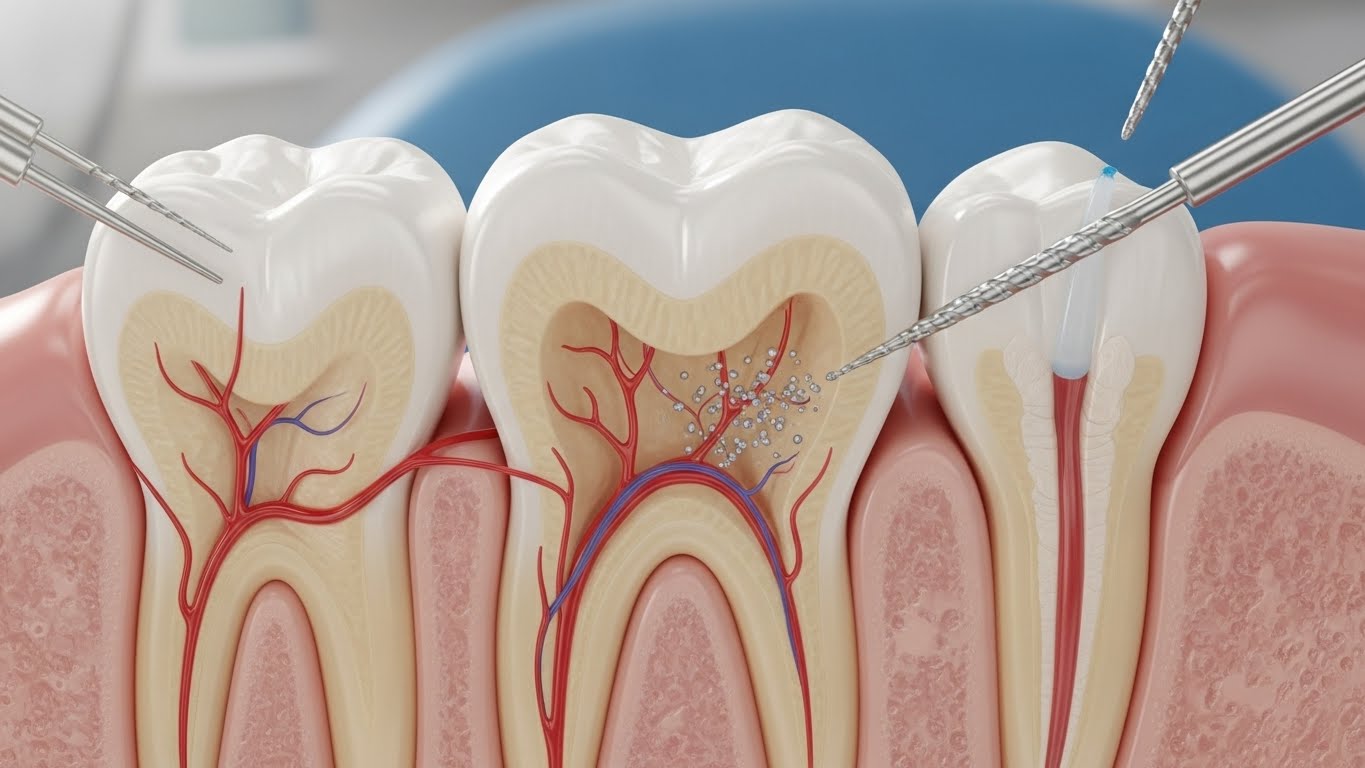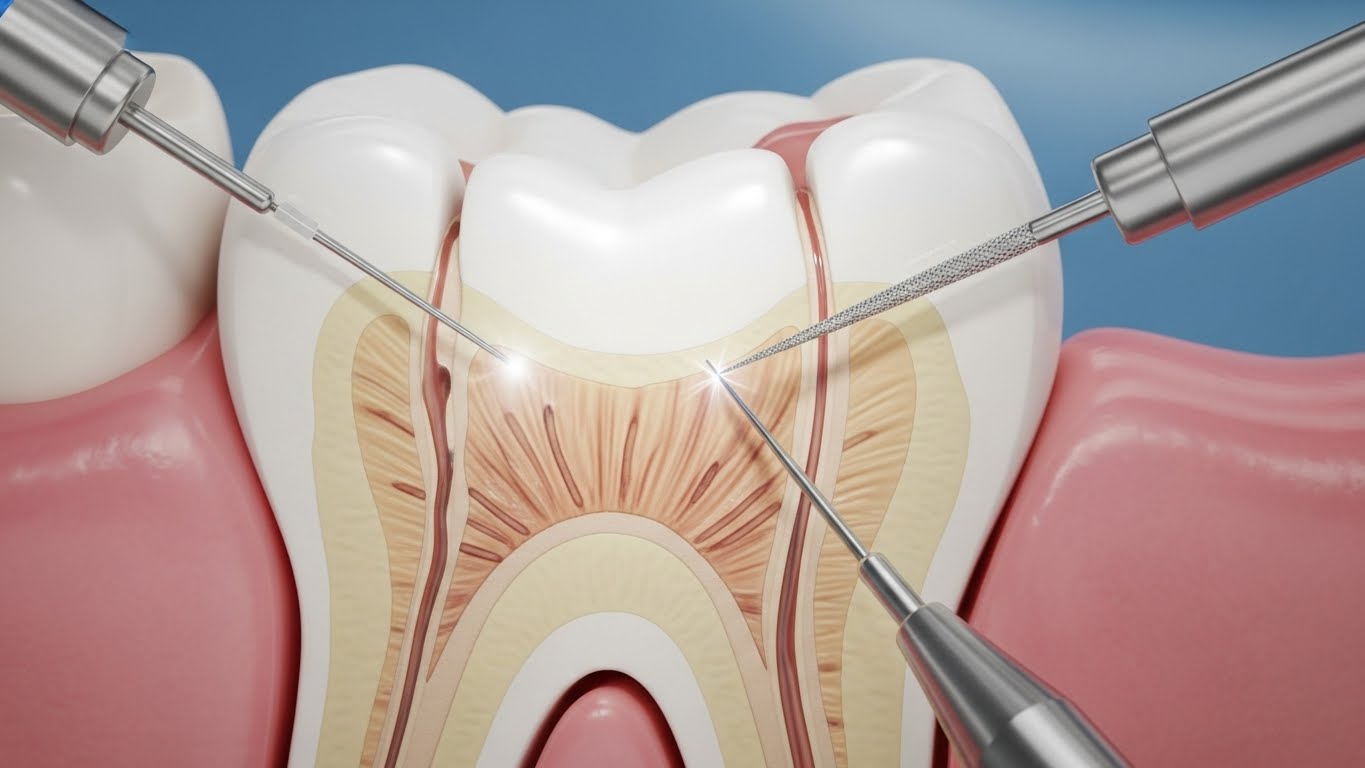
When tooth pain becomes persistent or sensitivity begins to interfere with daily comfort, the cause may be deeper than the outer surface of the tooth. Inside each tooth is a soft inner area called the pulp, which contains nerves, blood vessels, and connective tissue. When that area becomes inflamed or infected, specialized care may be needed to protect the tooth and restore comfort. Root Canal Treatment is designed to address these internal concerns while helping patients preserve their natural teeth whenever possible.
For many patients, the words root canal can create anxiety, but modern endodontic care is focused on comfort, precision, and clear communication. The purpose of treatment is not to create discomfort. It is to remove the source of infection or inflammation from inside the tooth, reduce pain, and allow the tooth to continue functioning. At a specialty endodontic office, patients receive focused evaluation, advanced diagnostic support, and care centered on natural tooth preservation.
Understanding Root Canal Treatment
A closer look inside the tooth
Root canal therapy may be recommended when bacteria, deep decay, trauma, cracks, or repeated dental procedures affect the pulp. Once inflammation or infection reaches the inner canal system, symptoms may include lingering sensitivity, pain when biting, swelling, pressure, or discomfort that becomes difficult to ignore. Because different dental conditions can feel similar, an accurate diagnosis is an important first step.
An endodontic specialist focuses on the inside of the tooth and the surrounding root structure. The goal is to identify the source of the problem and determine whether the tooth can be preserved. Delta Root Canal notes that root canal treatment helps preserve natural dentition instead of extraction by removing inflammation, bacteria, and necrotic tissue from the root canal system. This supports comfort, chewing ability, and long term tooth function.
Why Natural Tooth Preservation Matters
Protecting function and stability
Natural teeth play an important role in chewing, speaking, alignment, and bite balance. When a tooth can be treated and preserved, patients may be able to maintain more of their original dental structure. This is why root canal treatment is often considered an important option before extraction is discussed.
Preserving a natural tooth can also help maintain the way surrounding teeth work together. When a tooth is lost, the space may affect chewing patterns, neighboring teeth, and overall smile stability. Endodontic care is built around the idea that saving the natural tooth, when appropriate, can support better long term oral health.
Modern Endodontic Care and Patient Comfort
Focused care with advanced support
Root canal treatment is more comfortable and precise than many patients expect. Modern techniques, diagnostic imaging, and specialized endodontic tools help support an organized treatment experience. The process begins with evaluation, discussion, and planning, so patients understand what is happening and why treatment may be recommended.
A patient-centered endodontic team also helps reduce uncertainty. Many people arrive with pain, fear, or past dental anxiety. Clear explanations can make the experience easier by helping patients understand the condition of the tooth, the purpose of root canal therapy, and the importance of follow-up care when needed.
When Specialized Care May Be Needed
Support for complex tooth concerns
Endodontic care may be helpful for tooth infection treatment, cracked teeth, trauma, retreatment of a previously treated tooth, or persistent discomfort. Delta Root Canal’s services include root canal treatment, retreatment, root end surgery, cracked tooth care, trauma care, vital pulp therapy, pulp regeneration, resorption repair, internal bleaching, and emergency care.
This broad endodontic focus allows patients to receive specialized attention for complex dental concerns. Whether someone is referred by a general dentist or seeking help for severe toothache, the goal is to evaluate the issue carefully and provide care that supports comfort, function, and long term dental health.
A Better Experience With Clear Communication
Moving from uncertainty to confidence
A strong endodontic experience is built on trust. Patients should feel heard, informed, and supported throughout the appointment. When the dental team explains imaging, symptoms, and treatment options in simple language, patients can feel more confident about their care.
Root canal treatment can be an important step toward preserving a tooth that might otherwise be at risk. With advanced endodontic care, thoughtful planning, and a calm environment, patients can move forward with greater confidence and a clearer understanding of how treatment supports their smile.
FAQ
- What is root canal treatment?
Root canal treatment is an endodontic procedure focused on the inside of the tooth. It removes inflamed, infected, or damaged tissue from the root canal system to help preserve the natural tooth. - Why would someone need root canal therapy?
A patient may need root canal therapy when deep decay, infection, trauma, cracks, or repeated dental procedures affect the pulp inside the tooth and cause discomfort or inflammation. - Does root canal treatment help save a tooth?
Yes. The purpose of root canal treatment is to preserve the natural tooth when possible by removing infection or inflammation from inside the root canal system. - Is a root canal only for severe pain?
Not always. Some patients have strong pain, while others may have lingering sensitivity, swelling, bite discomfort, or signs found during a dental evaluation. - What does an endodontic specialist do?
An endodontic specialist focuses on diagnosing and treating conditions inside the tooth, including root canal therapy, retreatment, cracked teeth, trauma, and root-related concerns. - What is root canal retreatment?
Root canal retreatment may be considered when a previously treated tooth needs additional attention due to continued symptoms, reinfection, or changes around the root. - Can cracked teeth need endodontic care?
Yes. Cracks can cause pain when biting, chewing, or responding to temperature. An endodontic evaluation can help determine how the crack affects the tooth. - Why is diagnosis important before treatment?
Dental pain can come from several causes. Diagnosis helps identify whether the issue is inside the tooth, around the root, or related to another dental concern. - Is follow-up care important after root canal treatment?
Yes. Follow-up care helps monitor healing and determine whether additional restoration, such as a crown, may be needed to protect the treated tooth. - What is the main benefit of root canal treatment?
The main benefit is natural tooth preservation. Treatment helps address internal infection or inflammation while supporting comfort, chewing function, and long term dental stability.