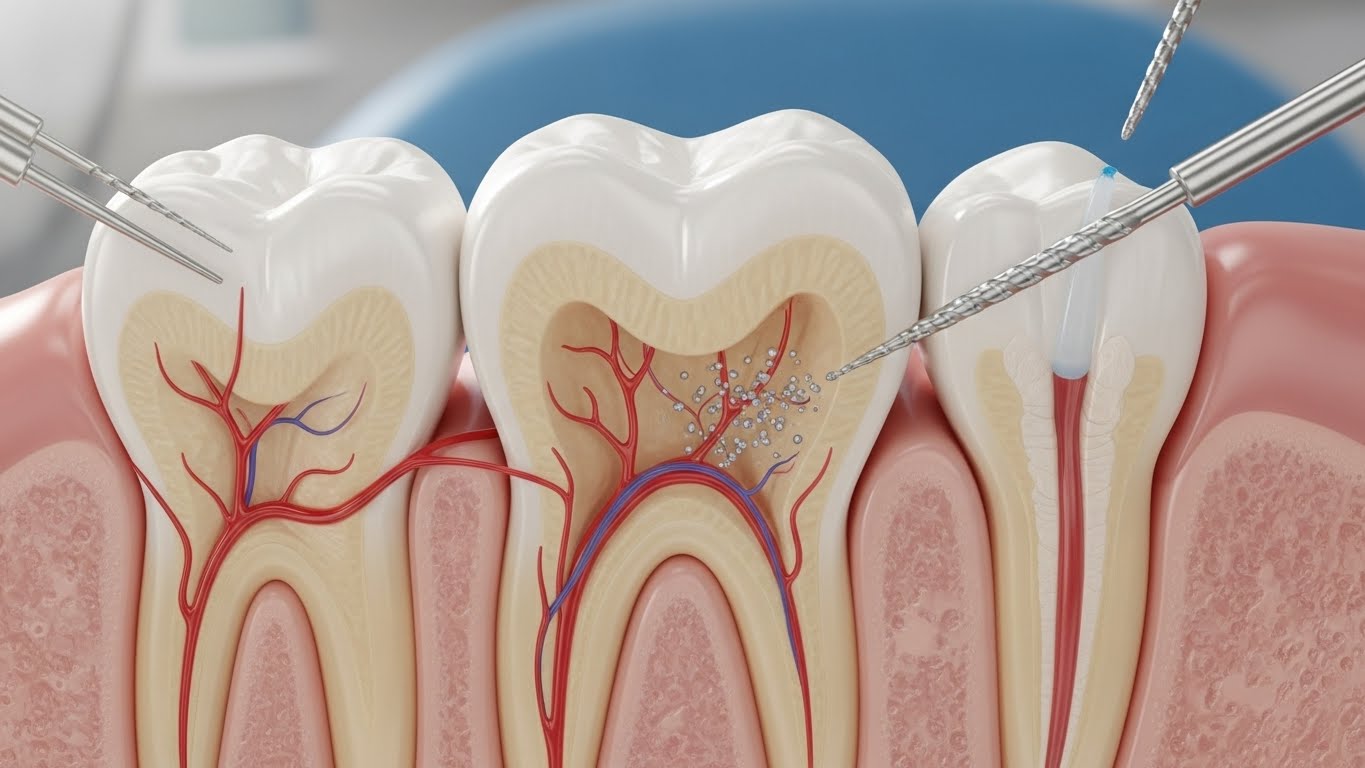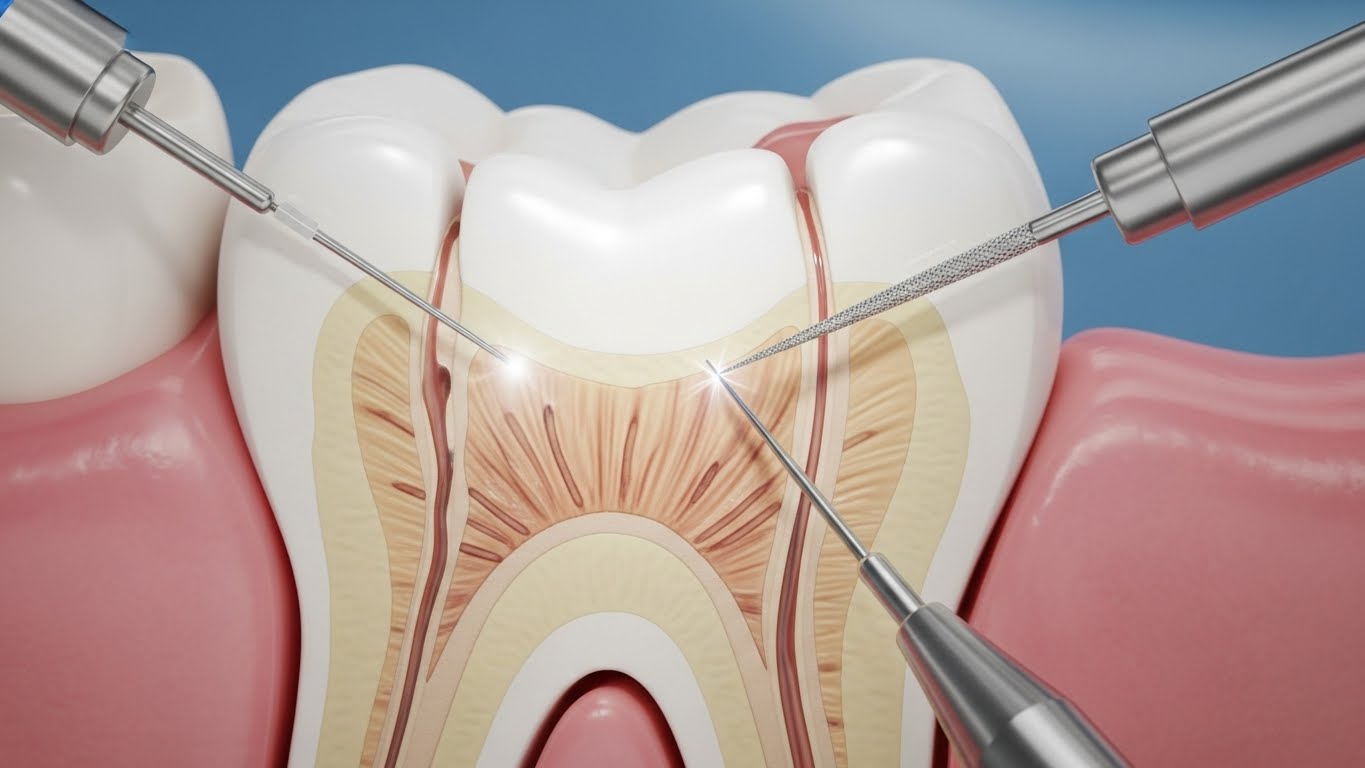
A natural tooth depends on healthy roots for stability, function, and long-term support. Certain biological or pathological processes, however, can gradually cause portions of the root or surrounding tooth structure to break down. This condition is known as root resorption, and it may progress without obvious symptoms in its earliest stages. When the problem threatens the strength or stability of a tooth, root resorption repair treatment may be considered to control the underlying process and preserve as much natural tooth structure as possible.
Delta Root Canal describes root resorption as a condition involving the loss of tooth structure resulting from physiological or pathological processes. Possible contributing factors include dental trauma, prolonged inflammation, and infection involving the root area. In severe cases, the condition can compromise the structural integrity of the tooth and potentially contribute to tooth loss.
Because resorption can occur in different locations and progress at different rates, professional diagnosis is particularly important. Some patients may experience discomfort, sensitivity, or changes around a tooth, while others may not notice anything unusual until the condition is identified during a dental examination or imaging study.
Understanding Root Resorption and Why Early Diagnosis Matters
Root resorption occurs when cells begin breaking down portions of dental hard tissue. The process may affect the outside surface of the root or develop within the tooth, depending on the underlying cause and type of resorption.
Dental trauma is one potential trigger. A significant impact can damage tissues around the root and initiate biological changes that may later result in resorption. These changes do not always become obvious immediately after the injury, which is one reason traumatized teeth may require long-term monitoring.
Inflammation can also contribute. When inflammation persists around the tooth or root, it may stimulate processes that gradually damage hard dental tissue. Infection within or around the root canal system can create similar problems by maintaining an inflammatory environment.
The amount and location of structural loss matter greatly. A small area identified early may provide more treatment possibilities than extensive resorption that has significantly weakened the root.
Modern endodontic diagnosis can involve detailed dental X-rays and three-dimensional CBCT imaging. Delta Root Canal notes that its endodontic procedures use technologies such as microscopes and CBCT to support diagnosis and treatment. These tools can be especially valuable when evaluating structural changes that may not be fully visible with a standard clinical examination.
CBCT imaging can provide information about the location, depth, and extent of a resorptive defect as well as its relationship to the root canal system and surrounding bone. This information helps the endodontist determine whether the affected tooth can reasonably be repaired and what type of treatment may be required.
Preserving natural dentition remains a central goal of endodontic care. When a resorptive defect is identified early enough, treatment may focus on eliminating the source of inflammation or infection and repairing the damaged area before the tooth becomes too structurally compromised.
How Root Resorption May Be Treated
Treatment depends on the type, location, severity, and underlying cause of resorption. There is no single procedure that applies to every affected tooth.
When infection within the root canal system is contributing to the problem, endodontic treatment may be necessary to remove bacteria, inflamed tissue, and other irritants. Cleaning and sealing the canal system can help control one of the factors responsible for continued tissue destruction.
Other cases may require direct repair of the resorptive area. The endodontist evaluates how much healthy tooth structure remains and whether the defect can be accessed and sealed effectively.
Material selection is important because the repair may need to create a stable barrier while remaining compatible with surrounding tissues. Modern endodontic materials are designed to support sealing and biological compatibility in areas where the root structure has been damaged.
The structural condition of the tooth must also be evaluated. Root resorption can weaken a tooth even when pain is minimal. A severely compromised root may have difficulty supporting normal chewing forces, making early intervention particularly valuable.
Treatment planning also considers the surrounding bone and periodontal tissues. A tooth does not function independently of these supporting structures, so successful treatment requires evaluating the entire area rather than simply filling a visible defect.
Follow-up appointments are often important because resorption is a biological process. The provider may use future examinations and imaging to determine whether the condition has stabilized and whether the surrounding tissues are healing appropriately.
Patients who have experienced significant dental trauma should be particularly consistent with recommended follow-up visits. A tooth can appear normal immediately following an injury but develop complications later.
The same principle applies when inflammation or infection has been treated. Improvement in symptoms does not automatically confirm that structural changes have stopped, so imaging may provide important information about long-term stability.
Professional root resorption repair treatment is ultimately focused on giving an affected tooth the best opportunity to remain functional. Early identification, accurate imaging, control of inflammation or infection, and appropriate repair can all contribute to preserving natural tooth structure.
Root resorption can become serious when allowed to progress, but diagnosis does not automatically mean the tooth must be extracted. The treatment decision depends on the amount of remaining structure, location of the defect, underlying cause, and whether the tooth can be predictably stabilized.
For patients with previous dental trauma, persistent inflammation, root infection, or unexplained structural changes, specialized endodontic evaluation can provide a clearer understanding of what is happening and whether tooth-preserving treatment remains possible.
FAQ
1: What is root resorption?
Root resorption is a process in which portions of the tooth structure, particularly around the root, are gradually broken down by biological or pathological activity.
2: What causes root resorption?
Possible causes include dental trauma, prolonged inflammation, infection around the root, and other biological processes.
3: Can root resorption cause tooth loss?
Yes. Severe resorption can compromise the structural integrity of a tooth and may eventually contribute to tooth loss if the damage becomes extensive.
4: Does root resorption always cause pain?
No. Some cases may develop with few noticeable symptoms and are discovered through dental examinations or imaging.
5: How is root resorption diagnosed?
Diagnosis may involve a clinical examination, dental X-rays, and advanced three-dimensional imaging such as CBCT.
6: Can dental trauma cause root resorption?
Yes. Trauma can damage tissues surrounding the tooth and may contribute to resorptive changes that develop later.
7: Can infection contribute to root resorption?
Yes. Infection and prolonged inflammation around the root may contribute to the biological processes responsible for structural loss.
8: Can a tooth with root resorption be saved?
In some cases, yes. The possibility of preserving the tooth depends on the location and severity of the defect, remaining tooth structure, and how early the condition is diagnosed.
9: Why is early diagnosis important?
Earlier identification may provide more opportunities to control the underlying process and repair the tooth before significant structural damage develops.
10: Will root resorption need follow-up care?
Often, yes. Follow-up examinations and imaging can help determine whether the resorptive process has stabilized and whether the surrounding tissues are healing properly.